 Pin This
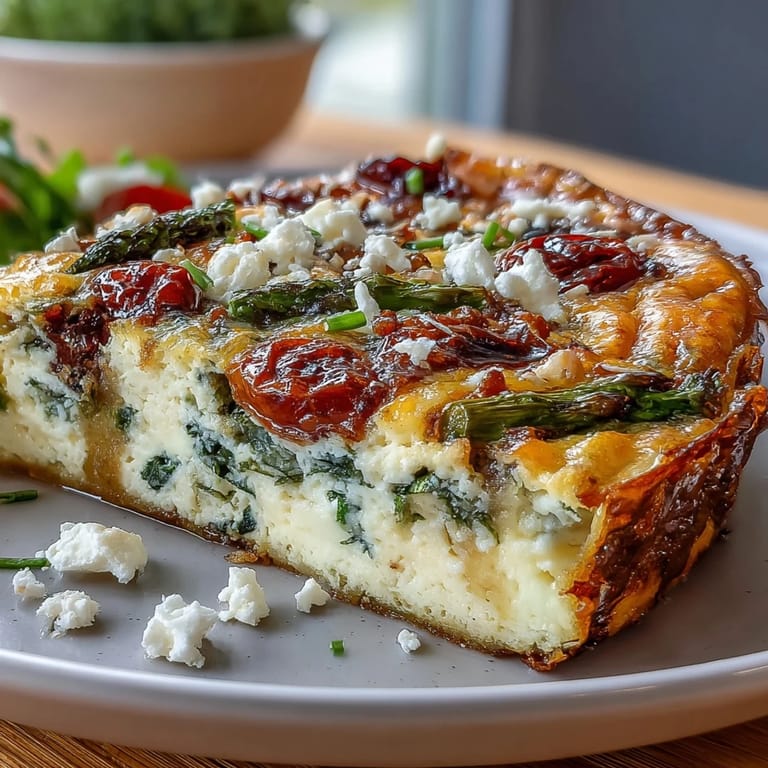
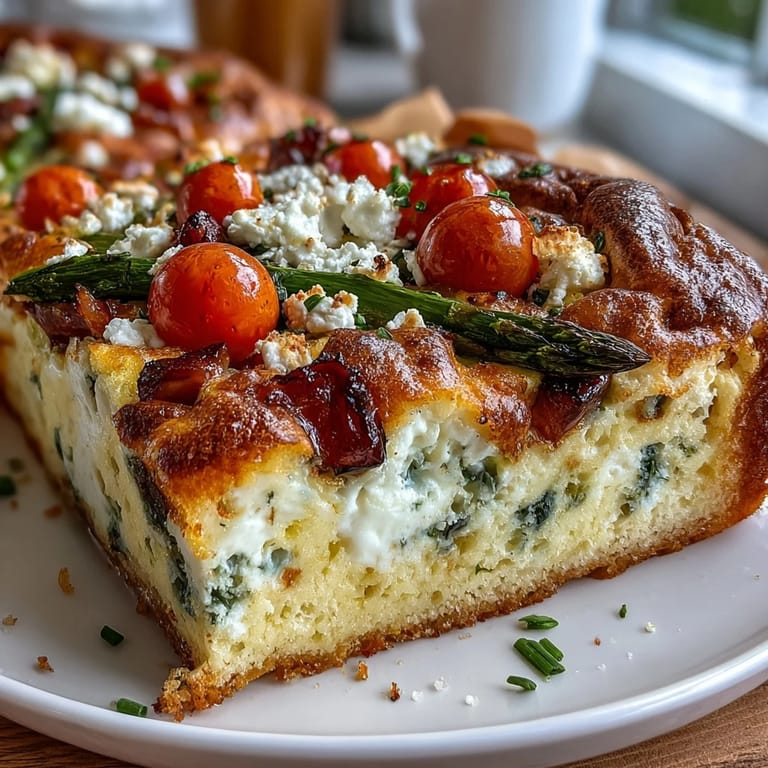
 The sound of eggs whisking against a glass bowl always wakes up my kitchen, especially when sunlight streams through the window on cool spring mornings. I stumbled upon this sheet pan frittata one hurried Easter, scrambling (pun intended) to feed a crowd with something festive but not fussy. Seeing the colors from the vegetables and herbs brighten as they cooked felt almost celebratory in itself. Each time I bake it, the aroma of sautéed veggies and melting cheese lingers—making the whole house feel ready for brunch. It's a dish that quietly wows, whether you’re lingering over conversation or sneaking seconds when no one’s watching.
Last Easter, my cousin wondered aloud if a frittata could truly feed a tableful with enough leftovers for late-night snacking. We ended up assembling everything together—laughing as we bickered over pepper slices and taste-testing cheeses before they even made it to the pan. When we finally sliced into the frittata, everyone grabbed pieces with their hands, too impatient for forks. Somehow, those casual moments in the kitchen always make the meal even better.
Ingredients
- Asparagus: Bright and tender, asparagus adds the fresh snap of spring. Try to cut the pieces evenly so they cook at the same rate.
- Cherry tomatoes: Their sweet juiciness bursts in each bite. If you spot heirloom varieties, mix them in for a pop of color.
- Bell peppers (red and/or yellow): They add sweetness and a vivid brightness; dice them small so they soften quickly.
- Baby spinach: This wilts into the eggs, adding silkiness. If you have larger leaves, just give them a rough chop.
- Red onion: Sliced thin for a bit of mellow bite and pretty purple color.
- Eggs: The hero—use the freshest you can find for the fluffiest texture.
- Whole milk: Lends richness and softness to the finished frittata. Half-and-half can make it extra luxurious if you want.
- Feta cheese (or goat cheese): Crumbles offer tang and saltiness; goat cheese melts in dreamy pockets if you prefer it.
- Parmesan cheese: Gives a savory depth and a hint of umami to every slice.
- Olive oil: For sautéing and a little extra flavor, just heat it gently to avoid burning.
- Fresh chives: Their subtle onion flavor rounds out the eggs without overpowering.
- Fresh parsley: A finishing note of freshness; don’t skip the extra sprinkle on top if you love herbs.
- Salt: Brings everything together—taste as you go so it’s just right.
- Freshly ground black pepper: A little heat balances the richness of the cheese and eggs.
- Smoked paprika (optional): Adds a touch of smoky aroma, perfect if you like surprises in your first bite.
Tired of Takeout? 🥡
Get 10 meals you can make faster than delivery arrives. Seriously.
One email. No spam. Unsubscribe anytime.
Instructions
- Get the pan set:
- Preheat your oven to 400°F (200°C) and line an 18x13-inch sheet pan with parchment or give it a light olive oil slick if that's easier.
- Whisk the eggs:
- Crack all the eggs into a big bowl and whisk them together with milk, salt, pepper, and smoked paprika if you like—keep going until it's pale yellow and just a bit bubbly.
- Add in the cheeses and herbs:
- Stir in crumbled feta, Parmesan, chives, and parsley, making sure every bite will get a punch of flavor.
- Sauté the veggies:
- Warm olive oil in a large skillet over medium; toss in asparagus, bell peppers, and onion, stirring for a few minutes until they're just beginning to soften and your kitchen smells amazing. Add spinach last and let it wilt, just a minute.
- Layer the veg and tomatoes:
- Scatter the sautéed vegetables and halved cherry tomatoes over the sheet pan, spreading them out so you get a little of everything in each slice.
- Pour and settle:
- Pour the egg mixture evenly over all the veggies, gently shaking the pan so everything nestles into place.
- Bake it up:
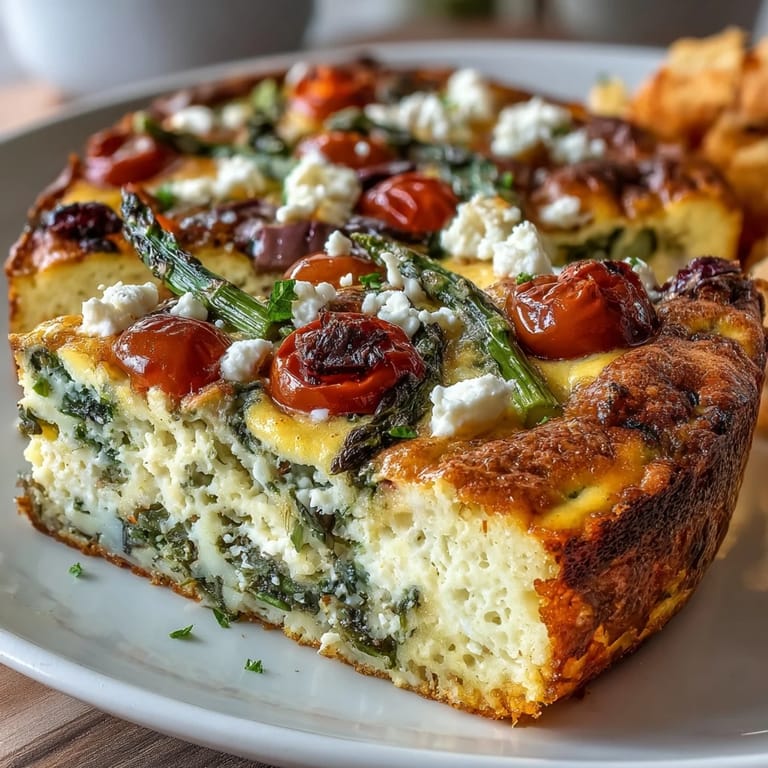
- Slide the pan into the oven and bake for 22–25 minutes—the center should puff up and turn golden, and a knife poked in the middle will come out clean.
- Cool and slice:
- Let the frittata rest for a few minutes to set, then slice into squares. Serve while warm or wait for it to cool—it's delicious either way.
 Pin This
 One year, my neighbor’s toddler wandered in just as I was pulling the frittata from the oven—the look on her face when she saw all those colors was pure joy. It’s little shared moments like that which make me grateful for recipes that bring everyone, ages two to ninety-two, together around the table.
How to Switch Up Your Veggies
I've learned that as long as you keep the ratios about the same, you can toss in whatever’s crisp and fresh at your market stand. Peas, zucchini, thinly sliced artichoke hearts, or even a handful of leftover roasted veggies all work beautifully. The first time I tried snap peas, their sweetness was a tiny revelation. Just steer clear of anything watery, like raw mushrooms, unless you sauté them first so your frittata doesn't get soggy.
Serving and Storing Ideas
This frittata is star-worthy on its own, but I love serving wedges alongside lemony salad greens or a crusty artisan loaf. Leftovers are maybe even better the next day—just wrap them tight and enjoy cold or quickly rewarmed in the oven. If you’re planning ahead for busy mornings, slice and stash portions in the fridge for grab-and-go breakfasts that taste homemade.
A Few Last Helpful Pointers
Even on sleepy mornings, this recipe never lets me down as long as I keep an eye on the baking time—overbaked eggs go rubbery fast. Double check your oven runs true (mine always runs hot) and remember to scatter extra herbs over the top for a finishing flourish. If you're feeling playful, a handful of shredded cheddar melts beautifully in place of feta.
- Let the frittata rest after baking—it slices cleaner that way.
- If you're storing leftovers, layer pieces with parchment so they don't stick.
- Don't skip the room temperature step for eggs—they blend more smoothly and bake up fluffier.
 Pin This
 May your Easter brunch (or any lazy Sunday) be as colorful and easy as this frittata. Here's to sharing good food and small moments that linger long after the plates are clean.
Recipe FAQ
- → What's the best pan size to use?
Use an 18x13-inch rimmed sheet pan for even depth and uniform cooking; a slightly smaller pan will yield a thicker custard and require a few extra minutes in the oven.
- → How do I prevent soggy vegetables?
Sauté firmer vegetables like asparagus, peppers and onion briefly until just tender and any excess moisture has evaporated before adding leafy greens and mixing with the eggs.
- → Can I make this ahead of time?
Yes. Bake, cool, then cover and refrigerate. Rewarm gently in a low oven or serve at room temperature. Leftovers keep well for up to 3 days.
- → What cheese substitutions work well?
Crumbled goat cheese, shredded cheddar, or a tangy aged cheddar can replace feta. Adjust salt accordingly if using saltier cheeses.
- → How can I adapt it for dairy-free diets?
Use a plant-based milk and dairy-free cheese alternatives; expect a slightly different texture but similar savory flavor when herbs and well-sautéed vegetables are used.
- → How do I know it's fully set?
The frittata is ready when the top is puffed, golden, and the center jiggles only slightly; a toothpick inserted near the center should come out mostly clean.