 Pin This
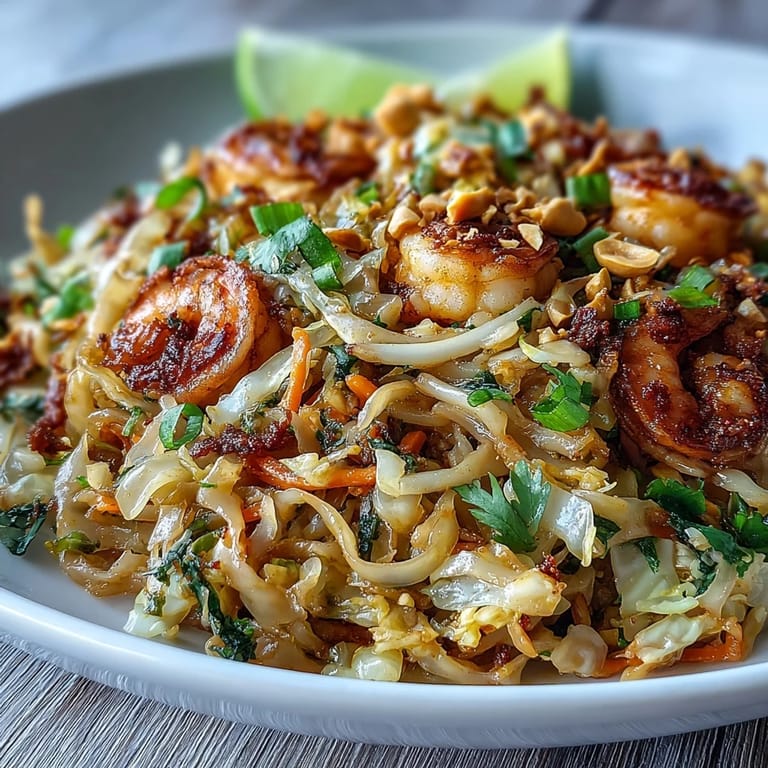
 Steam curled up from my pan, carrying that unmistakable aroma of garlic and ginger that jolts me awake better than any cup of coffee. I stumbled into cabbage Pad Thai on a night when noodles were nowhere to be found in my pantry, but a firm head of cabbage sat waiting in my crisper. Sometimes, kitchen shortcuts turn out better than the original, and in this case, the sound of vibrant slaw hitting the sizzling skillet was music to my ears. Adaptable and quick, this recipe became my weeknight lifesaver for craving something bold yet light. It's amazing how a basic vegetable manages to masquerade as something so playful and hearty.
I first whipped up a giant bowl of cabbage Pad Thai during a casual Tuesday dinner for friends—nobody believed there weren't any actual noodles hidden inside. We laughed and reached for more, chatting over clinks of chopsticks and bursts of fresh lime, the kind of evening where the simplest things spark the best conversations. Who knew a humble cabbage could start such a stir?
Ingredients
- Green cabbage: Swap out noodles for finely shredded cabbage and you’ll get a subtle sweetness and a lovely crunch—it’s best if you don’t overcook it.
- Carrot: Julienned carrots bring color and a hint of earthy sweetness, and I always choose the largest for maximum texture.
- Red bell pepper: This adds pops of vivid color and mild sweetness—a little goes a long way for flavor balance.
- Scallions: Separate the white and green parts; white adds sharpness while green finishes everything beautifully fresh.
- Garlic: Mince it fine for even flavor; don’t skip garlic unless you absolutely must.
- Ginger: Fresh ginger lifts the whole dish with a gentle heat—grating it makes all the difference.
- Eggs: Add protein and create that classic silky texture—scramble them just until set for best results.
- Chicken, shrimp, or firm tofu: Pick your favorite or use leftovers—slice it thin so it mixes in easily with the veggies.
- Tamari or soy sauce: Salty and deep in flavor; use tamari for gluten-free needs and adapt to your taste.
- Fish sauce: Brings a punch of umami; leave out for a fully vegetarian version or use extra tamari instead.
- Lime juice: Brightens everything; always save a few wedges for that last squeeze at the table.
- Peanut butter: Stir in unsweetened peanut butter for body and nutty flavor—it melds with the sauces seamlessly.
- Erythritol, monkfruit, or honey: Sweetener is key for balance, so pick your favorite, and taste as you go.
- Chili flakes or Sriracha: Totally optional but keeps things lively—I like a gentle kick.
- Roasted peanuts: Chop roughly and sprinkle for that iconic Pad Thai crunch—skip salting if your peanuts already are.
- Fresh cilantro: I tuck handfuls over the top for bright color and herby aroma.
- Lime wedges: Don’t skip these—everyone needs their own to squeeze at the end for zing.
Tired of Takeout? 🥡
Get 10 meals you can make faster than delivery arrives. Seriously.
One email. No spam. Unsubscribe anytime.
Instructions
- Mix the sauce:
- In a small bowl, whisk together tamari, fish sauce, lime juice, peanut butter, sweetener, and chili or Sriracha if you want heat. The aroma should be both tangy and savory, and the texture smooth and glossy.
- Start the aromatics:
- Heat your largest nonstick skillet or wok over medium-high heat. Add a splash of oil, then toss in the garlic, ginger, and white scallions—listen for that first sizzle and breathe in the fragrance for a minute.
- Add the veggies:
- Shovel in your shredded cabbage, julienned carrot, and sliced bell pepper, stirring quickly for 4 to 5 minutes. You’ll want them just tender while keeping their crunch—they shrink down and their colors deepen.
- Scramble the eggs:
- Push the veggies to one side of the pan, crack in the eggs, and scramble gently. When the eggs just set, mix them through the veggies so everything mingles well.
- Heat the protein:
- Add your sliced chicken, shrimp, or tofu to the pan. Pour the prepared sauce over everything and toss thoroughly so all the flavors coat each strand, cooking for another 2 to 3 minutes until steaming hot.
- Finish and serve:
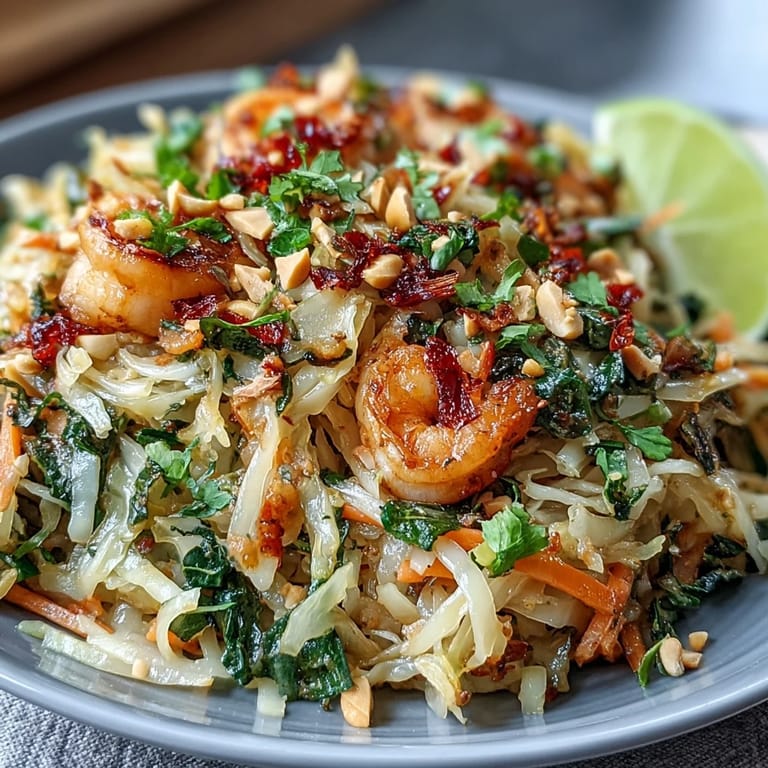
- Turn off the heat. Scatter the scallion greens, peanuts, and cilantro over, add lime wedges on the side, and bring straight to the table—serve immediately for best texture.
 Pin This
 The first time my sister requested seconds was a small victory I wished I could frame on the wall. It was a chilly night, and the bright, tangy flavors perked us up—proof that comfort doesn’t have to be heavy.
The Right Tools Matter
I used to believe any old frying pan would do, but a large nonstick skillet or wok makes tossing everything together effortless—and saves on cleanup. A good, sharp chef’s knife is a small joy when you’re shredding cabbage by hand.
Swappable Proteins for Every Mood
Whether I’ve got leftover roast chicken or a block of tofu that’s been begging to be used, this recipe flexes with what’s in the fridge. Don’t be afraid to try shrimp or skip the protein all together for a lighter version—it’s forgiving that way.
Tips for Garnishing Like a Pro
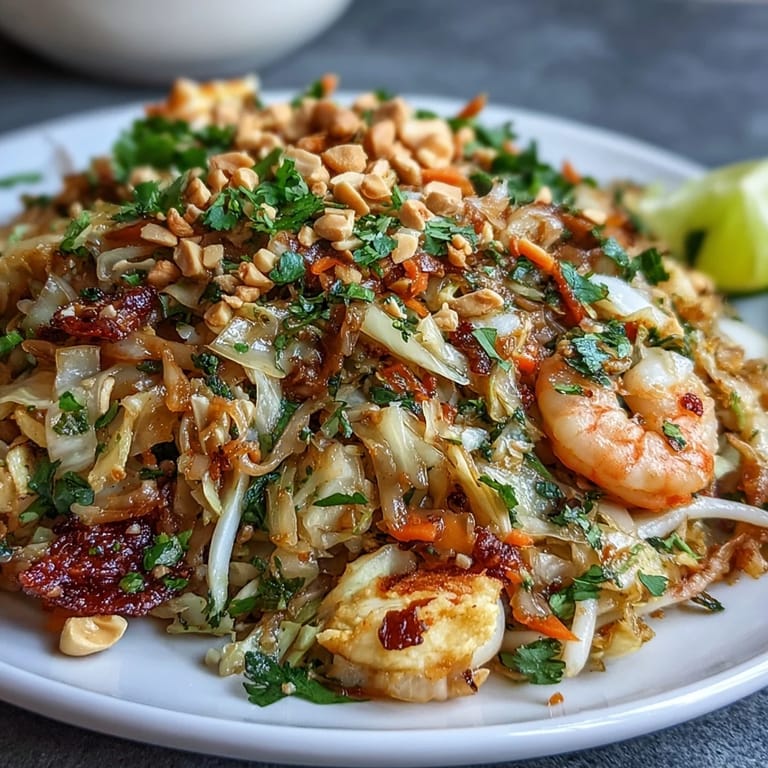
There’s always a moment when I’m ready to dig in, but a handful of fresh toppings makes all the difference. Don’t skip the crunch of roasted peanuts, plucky cilantro, or that last squeeze of lime over the finished plate—they wake up the whole dish perfectly.
- If you love heat, sprinkle extra chili flakes right before serving.
- Bean sprouts add unexpected crunch and brightness.
- Serve everything immediately to preserve the crispness.
 Pin This
 May your cabbage Pad Thai bring as much easy joy to your table as it has to mine&—it’s a dish that tastes like the best kind of improvisation. Enjoy every crunchy, saucy bite!
Recipe FAQ
- → How do I keep the cabbage crisp and not soggy?
Slice the cabbage very thin and cook over medium-high heat, stirring frequently. Cook just until crisp-tender (4–5 minutes) to preserve bite, then remove from heat promptly to avoid steaming it soft.
- → What protein works best with cabbage Pad Thai?
Cooked chicken, peeled shrimp or firm tofu all work well. Add pre-cooked protein at the end to warm through without overcooking; tofu benefits from a quick sear for texture.
- → Can I make this vegetarian or vegan?
Yes—use tofu instead of meat or eggs and swap fish sauce for extra tamari or a splash of miso-thinned water to maintain umami. Adjust sweetness and lime to taste.
- → How can I adapt the sauce for allergy concerns?
For peanut allergies, substitute tahini or sunflower seed butter and adjust acidity with extra lime. Taste and balance salt, sweet and heat to keep the same savory-sweet profile.
- → Any tips for shredding the cabbage quickly?
Use a sharp chef’s knife to cut thin ribbons or a mandoline set to a fine slice. Removing the core first makes shredding easier and yields more uniform pieces.
- → How should leftovers be stored and reheated?
Store cooled leftovers in an airtight container in the fridge for up to 3 days. Reheat briefly in a hot skillet to revive texture; avoid microwaving too long or the cabbage will become soft.