 Pin This
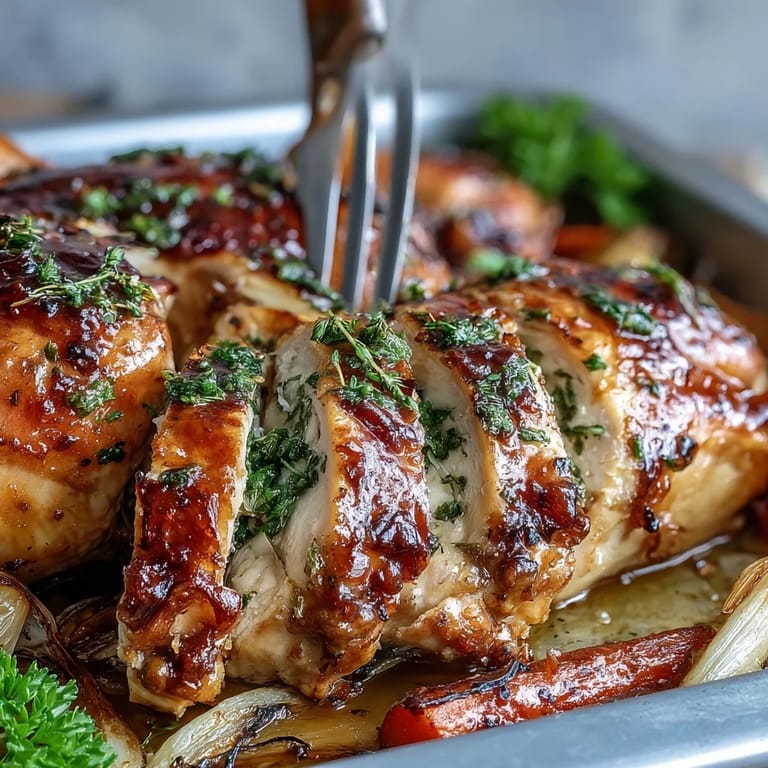
 There&aposs a special kind of excitement in the air when you know a roast chicken is on the menu. The first time I rubbed fragrant herb butter under the skin of a bird, my hands were clumsy but the aroma was instantly intoxicating—fresh herbs mingling with creamy butter and a zesty note from preserved lemon. That sharp, sunny scent hit me and I remember smiling, more than a little curious to see what would come out of the oven. Herb Butter Roast Chicken isn&apost just a dish—it&aposs a kitchen transformation in the form of crispy, golden skin and juicy, bursting-with-flavor meat. Each time I make it, I swear the simple act of untying the kitchen twine at the table feels like unwrapping a little present.
Once, on a cold autumn afternoon, I roasted this chicken while my best friend sat at the counter, chatting about everything and nothing—her glass of wine in hand, the smell of butter and thyme filling the room. We peeked through the oven window more times than necessary, drawn back by the sizzle and golden color coming together. When the chicken finally emerged, carving it became a group effort full of laughter, and we ended up standing over the pan, pinching off pieces before anything made it to our plates. It wasn&apost fancy, but that night, the whole kitchen felt impossibly warm and inviting. This roast chicken has a sly talent for turning casual evenings into memories worth retelling.
Ingredients
- Unsalted butter: Let it soften so the herbs incorporate smoothly, and always use real butter for maximum flavor.
- Fresh parsley: This adds bright, green freshness; I chop it just before mixing to keep the flavor vibrant.
- Fresh thyme leaves: Packs a punch—strip them from the tough stems for even distribution in the butter.
- Fresh rosemary: Intense and piney, but a little goes a long way; I mince it fine to avoid tough bites.
- Garlic cloves: Minced so every bite gets a hint of savory depth—use a microplane for best results.
- Preserved lemon (rind only): Chopped super fine, it gives a bold, tangy complexity you just can&apost fake with fresh.
- Sea salt: Essential for drawing out moisture and seasoning every layer of the chicken.
- Freshly ground black pepper: Go for freshly ground for the best aroma and subtle heat.
- Whole chicken: Choose a plump bird, about 3.5 to 4 lbs, and pat it thoroughly dry for the crispiest skin.
- Quartered preserved lemon: Tucked inside, these infuse the meat with citrusy flavor as it roasts.
- Onion (for stuffing & roasting pan): Quartered, it gives sweetness and moisture as everything cooks.
- Lemon (halved): Brightens up the cavity and makes the whole kitchen smell amazing.
- Olive oil: Just a drizzle before roasting helps the skin get that golden crackle.
- Fresh herb sprigs: A bundle of thyme, rosemary, and parsley tucked into the chicken perfumes every slice.
- Carrots and celery: Their sweetness melds with the pan juices, becoming a simple, delicious side.
- Dry white wine or chicken broth: Adds steam and flavor—either works, but a splash of wine feels extra special.
Tired of Takeout? 🥡
Get 10 meals you can make faster than delivery arrives. Seriously.
One email. No spam. Unsubscribe anytime.
Instructions
- Set the stage:
- Start by preheating your oven to 220°C (425°F) and letting the kitchen fill with a little anticipation.
- Mix the herb butter:
- In a small mixing bowl, stir together softened butter, herbs, garlic, chopped preserved lemon, salt, and pepper until it&aposs green-flecked and fragrant.
- Butter the bird:
- Gently slip your fingers under the chicken skin over the breast and thighs, making little pockets, and push two-thirds of the herb butter underneath, massaging it all over the meat.
- Finish the outside:
- Rub the remaining butter over every inch of the chicken, taking a moment to savor that herbal aroma.
- Stuff and tie:
- Fill the cavity with preserved lemon quarters, onion, lemon halves, and fresh herb sprigs, then tie the legs together and tuck the wings under.
- Prepare the roasting pan:
- Scatter carrots, celery, and onion wedges in the roasting pan, pour in wine or broth, and set the chicken breast-side up on top.
- Season and roast:
- Drizzle the chicken with olive oil and sprinkle with salt and pepper, then slide the pan into the oven for 20 minutes of high heat magic.
- Lower heat and baste:
- Reduce oven to 180°C (350°F) and continue roasting for 1 hour, basting the bird with pan juices every so often as the skin turns crispy and golden-brown.
- Rest and serve:
- When done, cover loosely with foil and let the chicken rest for 15 minutes before carving; spoon some pan juices over each serving for extra flavor.
 Pin This
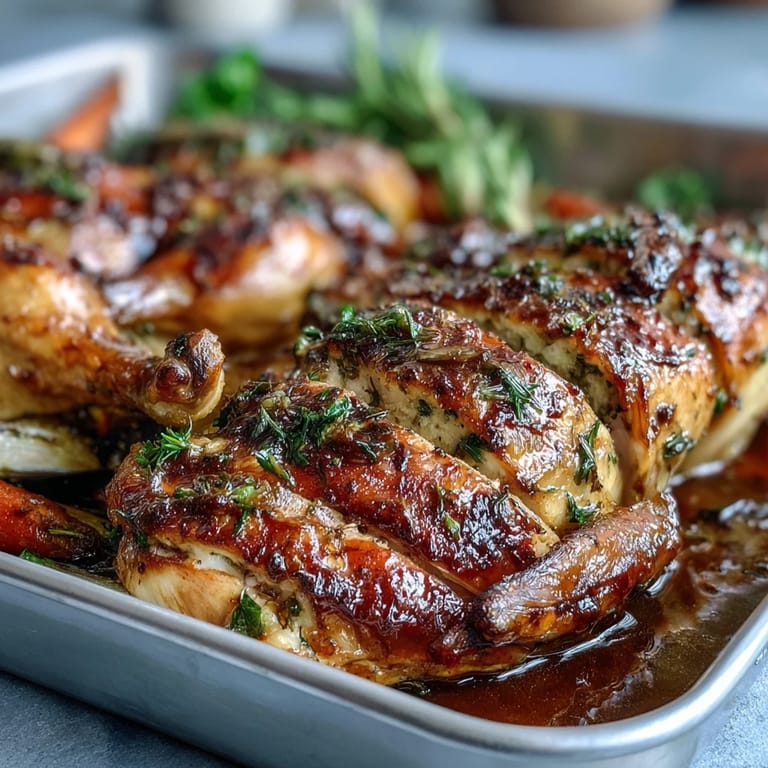
 The night my family declared this the best roast chicken ever, there was a quiet moment around the table—just the soft sounds of forks scraping plates and someone politely asking for seconds. It felt good to watch everyone savor it and know that something about the mix of herbs, butter, and a touch of preserved lemon had made ordinary chicken into something celebratory.
How to Make the Most of Your Pan Juices
The pan juices that collect from this roast are absolute gold. After resting the chicken, I sometimes spoon off a little fat and reduce the juices in a small saucepan with a splash of wine, then drizzle that over the carved meat and roasted vegetables. It instantly turns the meal into something restaurant-worthy. Don&apost forget to dip the crunchy bits and charred veggies, too—they pick up every drop.
What to Serve with Herb Butter Roast Chicken
Roasted potatoes tossed with olive oil and sea salt are classic, but a pile of simple greens with lemon vinaigrette makes a bright, light counterpart. Sometimes, when I want to keep the oven working, I add a tray of seasonal root veggies dusted with extra herbs. Nothing fancy is needed; the chicken is the star. And don&apost underestimate a loaf of crusty bread to mop up every last trace of sauce.
Making This Recipe Your Own
Experimenting is half the fun. Trade out the herbs—try tarragon or basil for a twist—or switch preserved lemon for fresh if that&aposs all you have. I once added a little smoked paprika to the butter for color and a whiff of campfire. It&aposs the kind of recipe that forgives adjustments.
- Check on the chicken during roasting—every oven is different.
- If you&aposre new to preserved lemons, taste before you toss them in.
- Your leftovers make an unbeatable chicken salad the next day.
 Pin This
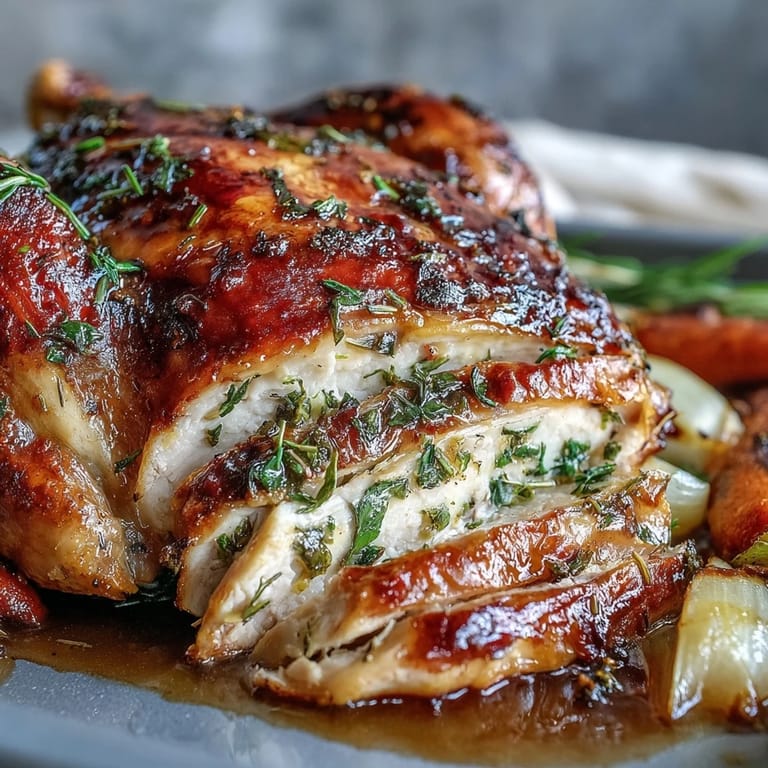
 With each roast, you&apost just serving a meal—you&aposre creating a little event, all with the simple comfort of chicken and herbs. Enjoy every bite and the smiles it brings to your table.
Recipe FAQ
- → How do I get extra crispy skin?
Pat the skin thoroughly dry, massage butter under and over the skin, start roasting at a high temperature for 20 minutes, then reduce heat. Basting occasionally and allowing a 15-minute rest helps maintain crispness.
- → What can replace preserved lemon?
Use finely grated fresh lemon zest with an extra pinch of salt and a splash of lemon juice for brightness. For a touch of tang, chopped capers or a little lemon vinegar can work.
- → How can I check the chicken is done?
Use an instant-read thermometer in the thickest thigh area; aim for 75°C (165°F). Alternatively, juices should run clear when the thigh is pierced and the meat should feel firm but not hard.
- → Can I prepare elements ahead of time?
Make the herb butter a day ahead and refrigerate. Bring it closer to room temperature before applying. Vegetables can be prepped in advance to speed assembly on roasting day.
- → Should I use wine or broth in the pan?
Either works. Dry white wine adds acidity and depth; low-sodium chicken broth lends savory richness. Both help deglaze the pan and create flavorful juices for basting and serving.
- → Is brining necessary for juiciness?
Not required. Rubbing butter under the skin and a proper rest after roasting lock in moisture. A quick dry-brine (salt under the skin a few hours ahead) will enhance seasoning and texture if desired.