 Pin This
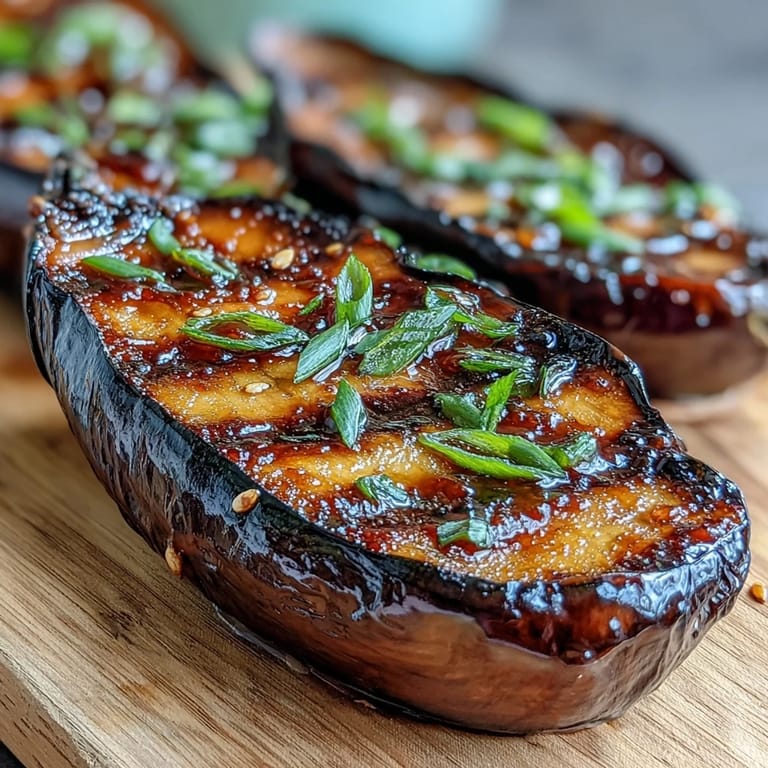
 The day I decided to try miso glazed eggplant was the result of a late night food documentary binge—one of those evenings when inspiration sneaks up on you amid the quiet flicker of the screen. I remember standing in my kitchen, turning an eggplant over in my hands and wondering if the magic of sweet miso could truly transform it. The anticipation of that caramelized glaze was almost as tantalizing as the savory aroma that eventually filled my little apartment. There was a certain quiet joy in gently scoring the eggplant and hearing the soft sizzle as it hit the oven. Sometimes, a recipe comes to you as a gentle nudge and you just know it’s the day to listen.
I first shared this dish on a rainy Tuesday with my partner, who skeptically eyed the eggplants before the meal but was completely silent (in the best possible way) after the first mouthful. Our tiny kitchen steamed up as we waited for the broiler to work its magic, and I still remember our delighted faces peering into the oven, watching the glaze bubble and darken. When we plated it, the scent was so inviting that we didn’t even bother setting the table—just grabbed chopsticks and hunched over the counter, eating eggplant straight from the tray. That was the night we realized some recipes are better with a little informality and a lot of laughter. It has since become a favorite, especially when we crave something cozy but don’t have hours to spare.
Ingredients
- 2 medium eggplants: Choose eggplants that feel heavy for their size and have glossy skin—the fresher they are, the silkier the finished dish.
- 3 tbsp white miso paste (shiro miso): White miso is delicate and subtly sweet, my go-to whenever I want the miso flavor to shine without overpowering everything else.
- 1½ tbsp mirin: If you haven’t cooked with mirin before, it lends a gentle sweetness and sheen; don’t skip it unless you absolutely must, but a dab of sugar and rice vinegar can mimic it in a pinch.
- 1½ tbsp sake: This quietly boosts flavor depth—if you’re out, add a splash of water, but the hint of sake really nudges everything toward umami heaven.
- 1½ tbsp sugar: Sugar helps that gorgeous caramelizing magic happen under the broiler, so don’t be tempted to cut it down too much.
- 1 tbsp soy sauce: Soy adds savory muscle; I’ve used tamari for gluten-free friends and no one’s guessed the swap.
- 1 tbsp sesame oil: Just enough for brushing; I've learned a thin layer is all you need to make roasting extra aromatic.
- 1 tsp toasted sesame seeds (optional): Sprinkle these at the end for a nutty crunch—don’t skip toasting, it wakes up all their flavor.
- 2 green onions, finely sliced (optional): They’re my finishing touch for color and freshness, and I always slice a few extra for the rice bowls we serve alongside.
Tired of Takeout? 🥡
Get 10 meals you can make faster than delivery arrives. Seriously.
One email. No spam. Unsubscribe anytime.
Instructions
- Prep for roasting:
- Preheat your oven to 400°F (200°C) and line a baking sheet with parchment paper—the crinkling sound always makes me feel a bit more organized right from the start.
- Score your eggplants:
- Using a sharp knife, gently score the cut sides of the eggplant halves in a crosshatch pattern, being sure not to slice through the skin; you’ll see it soak up flavor much better this way.
- Oil and arrange:
- With a pastry brush, glide a thin layer of sesame oil across the cut sides, then arrange them cut side up on the tray—sometimes I sneak an extra dash on the parchment too for aroma.
- Roast to softness:
- Roast for 25 minutes, or until you can press the flesh gently and it gives way easily; your kitchen should smell toasty and nutty by now.
- Whip up the glaze:
- As the eggplants roast, combine miso paste, mirin, sake, sugar, and soy sauce in a small saucepan; stir over low heat until velvety smooth and thickened, about 2-3 minutes, then remove from heat—the scent is incredible, try not to taste too much!
- Glaze and broil:
- Spread the glaze generously over the roasted eggplants, return them to the oven and broil on high for 3-5 minutes, watching for bubbling caramelization but not burning.
- Garnish and serve:
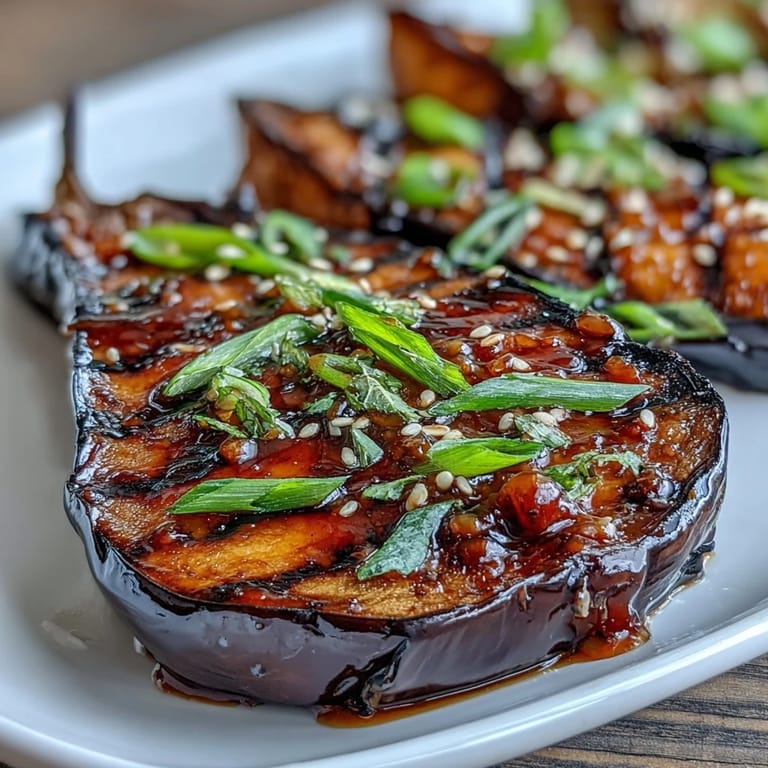
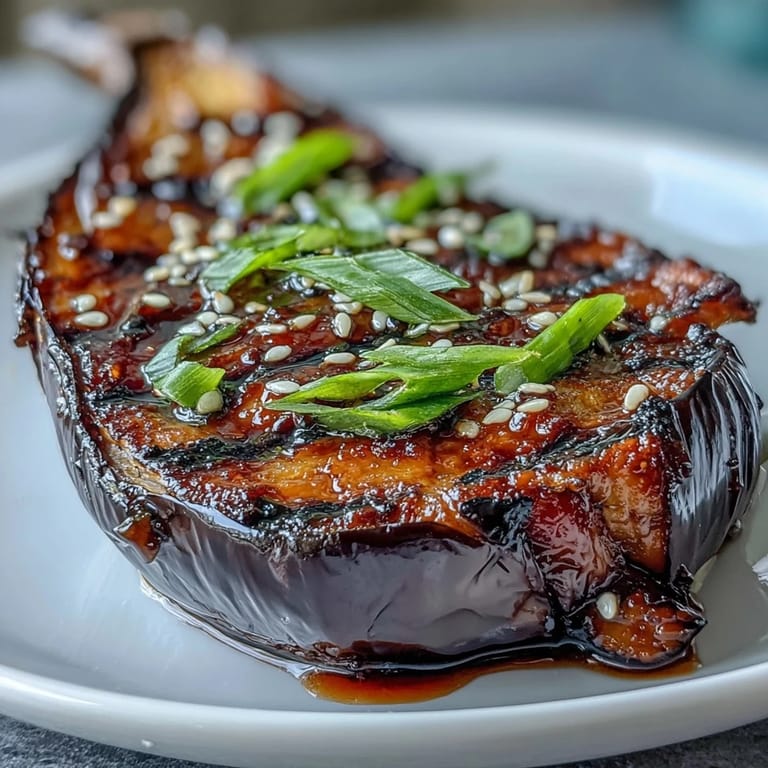
- Transfer to a platter, shower with sesame seeds and green onions if using, and serve warm—either as a side or the star atop rice.
 Pin This
 One weekend, I cooked this for a friend who’d only ever eaten eggplant reluctantly—after her first bite, she jokingly asked if I’d swapped in a different vegetable. That quick turn from skepticism to joy was the moment this dish became my not-so-secret weapon for winning over picky eaters. It turns out, the right glaze changes everything. Soon after, she texted for the recipe because her kids wanted to “eat the soft stuff with the shiny sauce.” You know a dish is a keeper when it crosses generations at your table.
Let’s Talk Variations
Swapping out the white miso for red gives the eggplant a more robust depth—though you might want to dial back the sugar just a smidge. For parties, I sometimes slice the eggplant into thick rounds and do bite-sized versions; they disappear faster than I can refill the tray. If you need to avoid alcohol, a little extra soy sauce and a dash of apple juice make a surprisingly good stand-in for mirin and sake. The trick is to taste the glaze as you go and trust your palate. Little changes keep this recipe feeling fresh every time.
Serving Suggestions You’ll Actually Use
This eggplant is elegant enough for a dinner party but cozy enough for a weeknight in sweatpants. For extra crunch, I love adding a handful of quick-pickled radishes alongside. If you want it heartier, spoon the miso eggplant over steaming bowls of rice with a tangle of sautéed greens. Leftovers keep surprisingly well, and I’ve even tucked them into a pita with shredded cabbage for lunch. Whatever you pair it with, the glaze will make everything shine.
Avoiding Kitchen Surprises
There’s almost nothing trickier than miso’s thin line between caramelized and scorched. I always set a timer for the broil stage—a minute too long and you’ll be scraping off blackened bits. Using parchment makes cleanup nearly nonexistent, and it’s saved me from many a sticky tray. Don’t forget to let the glaze cool for one minute before serving for the best texture.
- Bake the eggplant until truly soft for best texture.
- Double the glaze to drizzle on rice or grilled tofu.
- Taste and adjust the miso glaze before broiling for your own flavor balance.
 Pin This
 Give this dish one try and you’ll find yourself looking for excuses to make it again. There’s something about that savory-sweet glaze and melting eggplant that brings a little celebration to even the simplest night.
Recipe FAQ
- → How do I pick the best eggplants?
Choose medium, firm eggplants with glossy skin and few blemishes. Slight weight for size indicates fewer seeds and creamier flesh when roasted.
- → How can I avoid soggy flesh?
Score the cut surface in a crosshatch, brush lightly with sesame oil, and roast at 400°F (200°C) until the flesh is soft and slightly browned to encourage evaporation and concentrated texture.
- → How do I thicken the miso glaze?
Gently simmer the miso, mirin, sake, sugar and soy over low heat until slightly reduced and glossy. A short reduction of 2–3 minutes will concentrate flavors and thicken the glaze.
- → Can I grill instead of broiling?
Yes — finish the glazed eggplant over high direct heat on a grill to achieve similar caramelization. Watch closely to prevent charring and move away from flare-ups as needed.
- → What swaps work for gluten-free diets?
Use tamari in place of regular soy sauce and verify miso paste is labeled gluten-free to keep the dish suitable for gluten-sensitive diets.
- → Any tips for vegan adjustments?
Most white miso, mirin and sake are vegan, but labels vary. Choose vegan-certified versions and replace any non-vegan condiments to keep the dish fully plant-based.