 Pin This
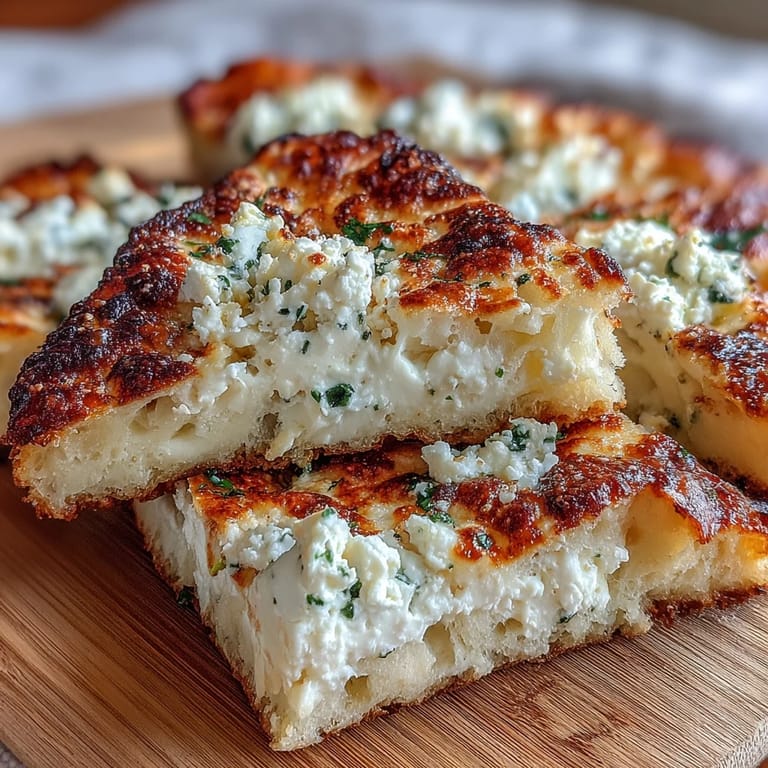
 The first time I pulled this cottage cheese flatbread from the oven, I was genuinely surprised by just how invitingly golden the kitchen smelled. I'd only seen whispers of the recipe online and, skepticism aside, curiosity won out on a slow Sunday morning. There was something almost playful about blending up just two ingredients and hoping for magic. As the timer ticked down, I found myself grinning, half-expecting a science experiment but opening the door to a new obsession. Suddenly wraps, pizzas, and even quesadillas felt wide open to anyone without flour or gluten in the house.
Last spring, I made a batch of these for a casual picnic and ended up with friends swapping filling ideas between bites. The sky threatened rain but the flatbreads were sturdy enough to hold chicken salad in one, veggie hummus in another, and everything held together no matter how creative we got. There was a collective moment of delight when someone realized they were gluten-free—no one could tell the difference. That spontaneous afternoon cemented these as my go-to for gatherings. Even skeptical eaters went home asking for the recipe.
Ingredients
- Cottage cheese (1 cup 240g): This is what gives the flatbread both its protein punch and tender bite. Use full-fat for a richer flavor, but low-fat works too—just drain off any excess liquid for best results.
- Eggs (2 large): Eggs bind the batter, making everything hold together and giving the bread flexibility. Make sure they're fresh and at room temperature to help them blend smoothly with the cottage cheese.
Tired of Takeout? 🥡
Get 10 meals you can make faster than delivery arrives. Seriously.
One email. No spam. Unsubscribe anytime.
Instructions
- Preheat & Prep:
- Fire up your oven to 350°F 175°C and line your baking sheet with parchment paper—the nonstick insurance you’ll be thankful for later.
- Blend!
- In a blender or food processor, combine cottage cheese and eggs. Blend until you have a totally smooth, creamy mixture, about 30 seconds—scrape the sides if you need to.
- Shape Your Flatbreads:
- Pour the batter onto the lined sheet and use a spatula to spread it into three or four rounds or one large rectangle, keeping them about 1/4-inch thick. Don’t worry if they’re not perfectly shaped; rustic is charming here.
- Bake:
- Slide your sheet into the oven and bake for 18–22 minutes. You’ll see the edges get just a hint of color when it’s ready, and they should lift easily from the paper.
- Cool & Serve:
- Let them rest for a few minutes, then gently peel off the parchment. Serve while warm and flexible or let cool for later use.
- Store & Reheat:
- If there are leftovers, pop them in an airtight container in the fridge. You can quickly reheat in a dry skillet to restore that fresh-baked softness.
 Pin This
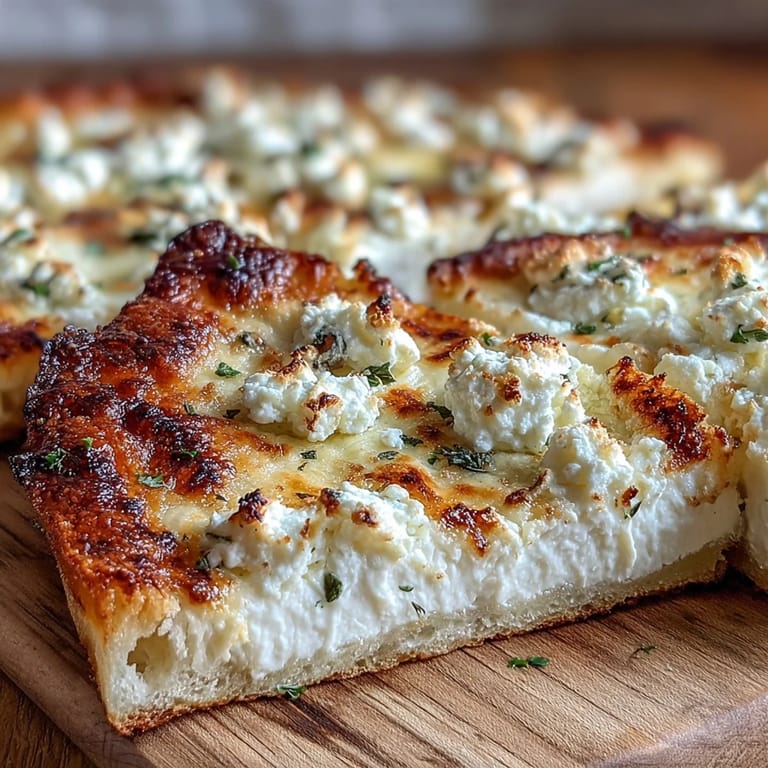
 One late night after a long workday, I stacked this flatbread with avocado, lemon zest, and chili flakes, and remembered how small comforts can feel like happy little victories. The quiet satisfaction of eating something wholesome and homemade somehow soothed the chaos around me.
Switching Up the Flavors
I’ve learned this flatbread is basically a blank canvas. Sometimes I’ll sprinkle garlic powder or chopped chives into the batter, depending on what’s in the fridge. For a crispier touch, I’ve added a handful of parmesan to the mix. The subtle flavor boost makes it delicious enough to eat plain, fresh from the oven. When in doubt, a pinch of black pepper goes a long way.
Making It Dairy-Free
I once tried a batch with almond-based cottage cheese for a friend who avoids dairy—the texture changed a little, but it still worked as a wrap. Blending thoroughly became extra important to avoid lumps, and I found reheating in a skillet helped edges crisp up without losing flexibility. If you’re experimenting, keep a light touch with add-ins until you know how your dairy-free product behaves.
Serving and Storing Hacks
These flatbreads quickly became a meal-prep hero for me: they stay soft for days in the fridge and roll up easily around fillings without tearing. For pizzas or wraps, I like to toast them briefly in a dry skillet—the warmth brings back their original softness and adds a cozy chewiness. Even the kids appreciate them as snack dippers for hummus or yogurt dip.
- If cool, zap in the microwave for a few seconds just before serving.
- Let the flatbreads cool completely before stacking to prevent sticking.
- For best results, enjoy within three days.
 Pin This
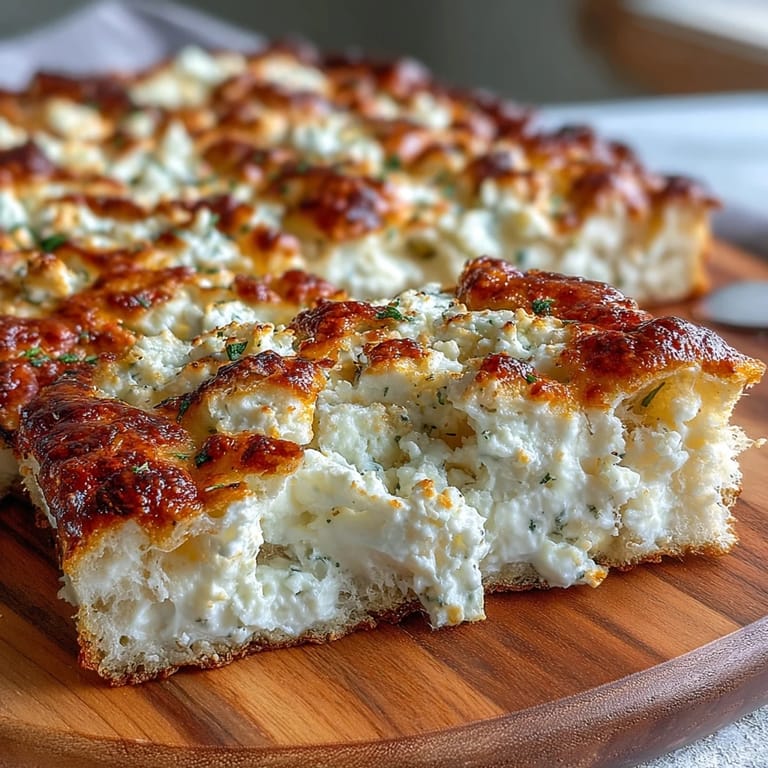
 I hope this simple cottage cheese flatbread brings a little flexibility and joy to your mealtimes—sometimes the easiest recipes are the ones we reach for most often.
Recipe FAQ
- → Can I use low-fat cottage cheese?
Yes. Low-fat cottage cheese works; the texture will be slightly less rich but still yields soft, flexible flatbreads. Full-fat gives a creamier mouthfeel.
- → How thin should I spread the batter?
Spread the batter to about 1/4-inch thickness for tender, pliable flatbreads. Thinner rounds bake faster and become crisper; thicker ones stay softer.
- → How can I make them dairy-free?
Use a dairy-free cottage cheese alternative, keeping in mind that texture varies. You may need to adjust baking time and expect a different crumb and moisture level.
- → What are good ways to serve them?
Use them as wraps, sandwich layers, or pizza bases. Top with fresh vegetables, grilled proteins, or cheese substitutes for varied meals.
- → Can these flatbreads be reheated or frozen?
Reheat briefly in a skillet or oven to refresh texture. Cool completely and freeze between parchment sheets for up to 1 month; thaw in the fridge before reheating.
- → How do I make the edges crisper?
After baking, brush edges lightly with oil and finish in a hot skillet or under the broiler for 1–2 minutes, watching closely to avoid burning.