 Pin This
 Last October, I stood at my farmer's market stand with a butternut squash in each hand, unable to choose, when the vendor smiled and said, "Just make soup with both." That afternoon, I stirred together squash and apples on a whim, and something magical happened—the kitchen filled with this warm, honeyed aroma that made everyone pause mid-conversation. That single pot of soup became the reason I now make it every autumn, without fail.
I'll never forget ladling this soup into bowls for my sister's unexpected dinner visit—she was stressed about work, and after the first spoonful, she just closed her eyes and sighed. No words needed. That's when I realized this soup isn't just about flavor; it's about creating a moment where everyone slows down.
Ingredients
- Butternut squash (1 medium, about 2 lbs): The star that brings natural sweetness and that velvety texture—choose one with a deep golden color and no soft spots.
- Apples (2 medium, Gala or Fuji): These add brightness and complexity; avoid overly tart varieties or your soup becomes sharp instead of balanced.
- Yellow onion (1 medium): The aromatic foundation that sweetens as it cooks, creating the savory base the whole soup needs.
- Garlic (2 cloves): Just enough to whisper in the background without overpowering the delicate fruit flavors.
- Vegetable broth (4 cups): Use the best quality you can find—it's not a supporting player here, so the broth's flavor truly matters.
- Apple cider or apple juice (1/2 cup): This deepens the apple note and adds a subtle tanginess that keeps the soup from tasting one-dimensional.
- Heavy cream or coconut milk (1/2 cup, optional): The finishing touch that makes it luxurious; coconut milk creates a different but equally silky texture.
- Cinnamon (1/2 tsp): The warm spice that ties everything together—don't skimp, but don't overdo it either.
- Nutmeg (1/4 tsp): Use freshly ground if possible; pre-ground loses its spark over time.
- Ground ginger (1/4 tsp): Adds a gentle peppery warmth that makes people say, "What is that flavor?"
- Salt and black pepper: Season at the end when you can taste the full picture.
- Pumpkin seeds and fresh parsley (for garnish): The textural surprise and green pop that make it feel intentional.
Tired of Takeout? 🥡
Get 10 meals you can make faster than delivery arrives. Seriously.
One email. No spam. Unsubscribe anytime.
Instructions
- Warm the pot and soften the onions:
- Heat olive oil over medium heat and watch the onion transform from crisp and sharp to soft and golden. This is the flavor foundation—rushing it changes everything.
- Build the aromatics:
- Add garlic, butternut squash, and apples, letting them toast slightly in the warm oil for a few minutes. You're waking up their natural sugars.
- Toast the spices:
- Stir in cinnamon, nutmeg, and ginger, coating every piece so the spices bloom from the heat. The kitchen will smell like someone's making magic.
- Simmer until everything surrenders:
- Pour in broth and apple cider, bring to a boil, then lower the heat and let it bubble gently for 25 to 30 minutes until the squash falls apart at the slightest pressure. This is the moment when raw ingredients become something unified and soft.
- Blend until silky:
- Remove from heat and use an immersion blender to purée everything until completely smooth. If using a countertop blender, work in batches and let the soup cool slightly first—hot liquid can surprise you.
- Add richness and season:
- Stir in cream or coconut milk if using, then taste and adjust salt and pepper. This final seasoning step is crucial—each pot tastes slightly different depending on your apples and broth.
- Serve with intention:
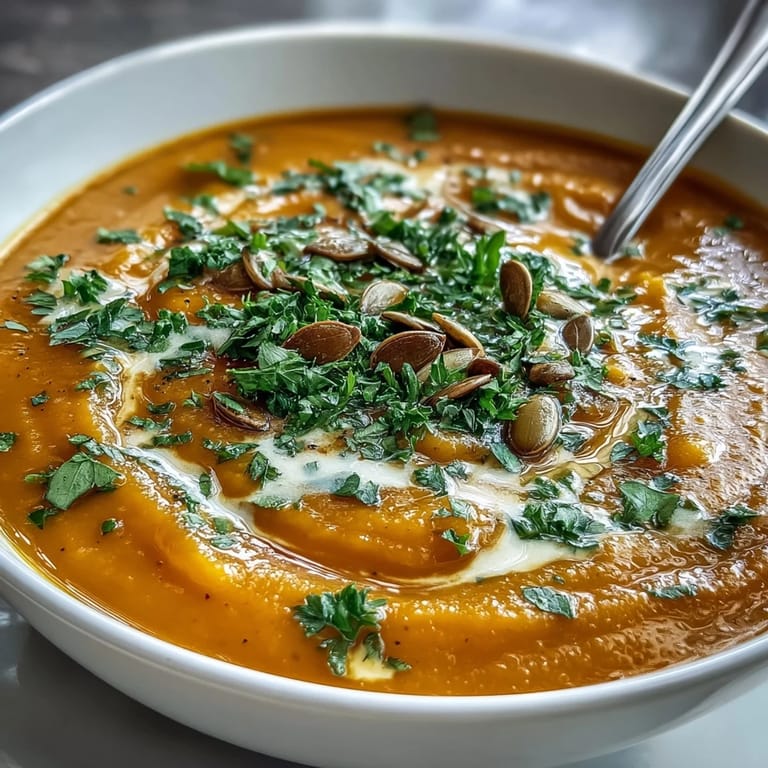
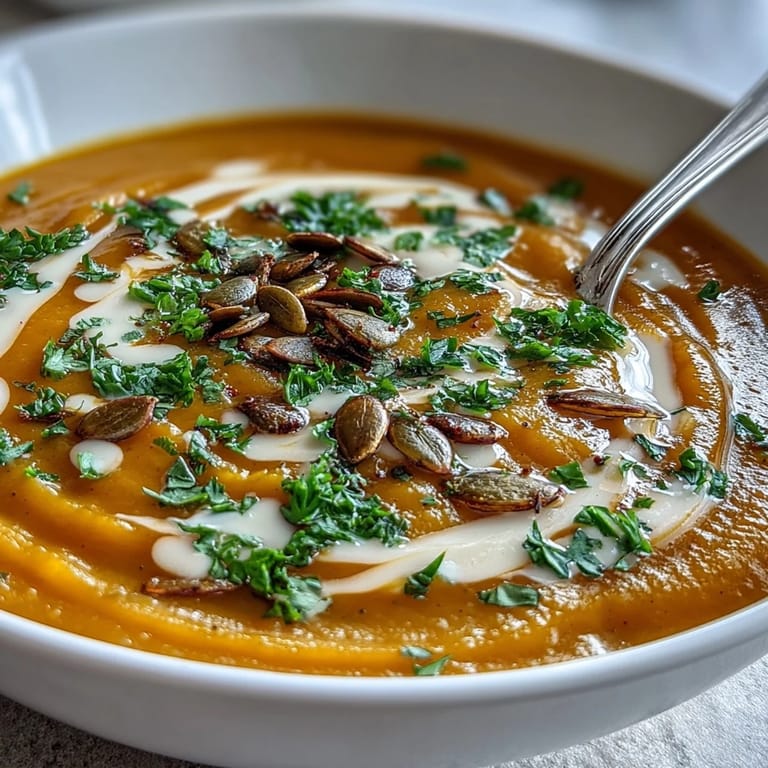
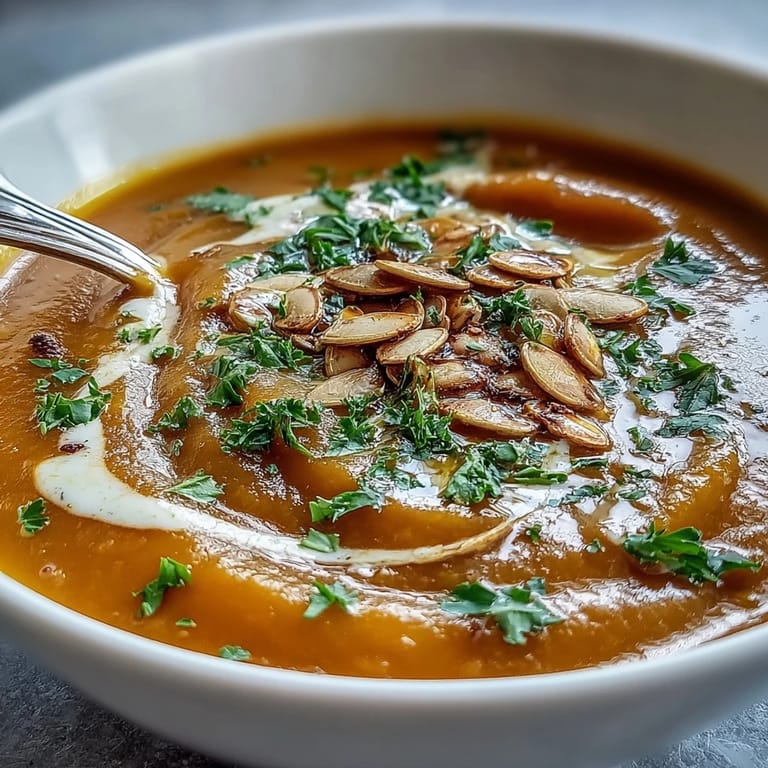
- Reheat gently if needed, then ladle into bowls and finish with pumpkin seeds and a scatter of parsley. The contrast between warm soup and cool garnish makes each spoonful interesting.
 Pin This
 There's a moment when you first inhale the steam rising from the blended soup, and you smell the cinnamon and ginger meeting the sweetness of cooked apples and squash—that's when you know you've made something worth making again. Every autumn since, I've found myself standing in that same kitchen, recreating that feeling for people I care about.
Why Roasting Changes Everything
If you have an extra fifteen minutes, roast the butternut squash cubes at 400°F for about twenty minutes before adding them to the pot. The heat caramelizes their edges and concentrates their sweetness, creating a deeper, more complex flavor. I do this when I'm not rushed, and the soup tastes noticeably richer—like you've been cooking it all day instead of thirty-five minutes.
The Vegan Version Works Just as Well
Swap the cream for coconut milk and the soup becomes vegan without any compromise in texture or satisfaction. The coconut adds its own subtle sweetness that complements the spices differently—some people actually prefer it this way. I've served it to both dairy and dairy-free guests without anyone needing to know there was a difference.
Making It Your Own
This soup is forgiving and invites improvisation. Some people add a pinch of cayenne for heat, others stir in crispy sage leaves, and I once added a splash of bourbon that made the whole thing feel autumnal in a completely different way. The base is solid enough that you can play around without breaking it.
- A dash of cayenne transforms it from purely sweet to intriguingly warming.
- Crispy sage leaves scattered on top add an herbal earthiness that makes people wonder what you did differently.
- Serve with a wedge of crusty bread or a simple green salad to round out the meal.
 Pin This
 This soup reminds me that the best meals aren't complicated, they're just made with intention. Serve it warm, watch people smile, and know you've created something that tastes like home.
Recipe FAQ
- → Can I make this soup ahead of time?
Absolutely. This actually improves after sitting overnight as flavors meld together. Store in an airtight container in the refrigerator for up to 4 days. Reheat gently over medium-low heat, stirring occasionally.
- → What apples work best?
Gala, Fuji, or Honeycrisp apples offer ideal sweetness and hold their shape during cooking. Avoid tart varieties like Granny Smith as they can overpower the delicate squash flavor.
- → Is roasting the squash necessary?
Not required, but roasting at 400°F for 20 minutes before simmering adds wonderful caramelized depth and intensifies the natural sweetness. It's worth the extra step if time permits.
- → Can I freeze this?
Yes, freeze in portion-sized containers for up to 3 months. Thaw overnight in the refrigerator, then reheat. The texture remains remarkably smooth after freezing.
- → How do I make it vegan?
Simply replace heavy cream with full-fat coconut milk. Use vegetable broth and verify all ingredients are plant-based. The coconut adds subtle tropical notes that complement the autumn spices beautifully.
- → What can I serve alongside?
Crusty sourdough bread, warm dinner rolls, or a simple green salad with vinaigrette balance the richness perfectly. For heartier meals, pair with a grilled cheese sandwich or roasted vegetables.