 Pin This
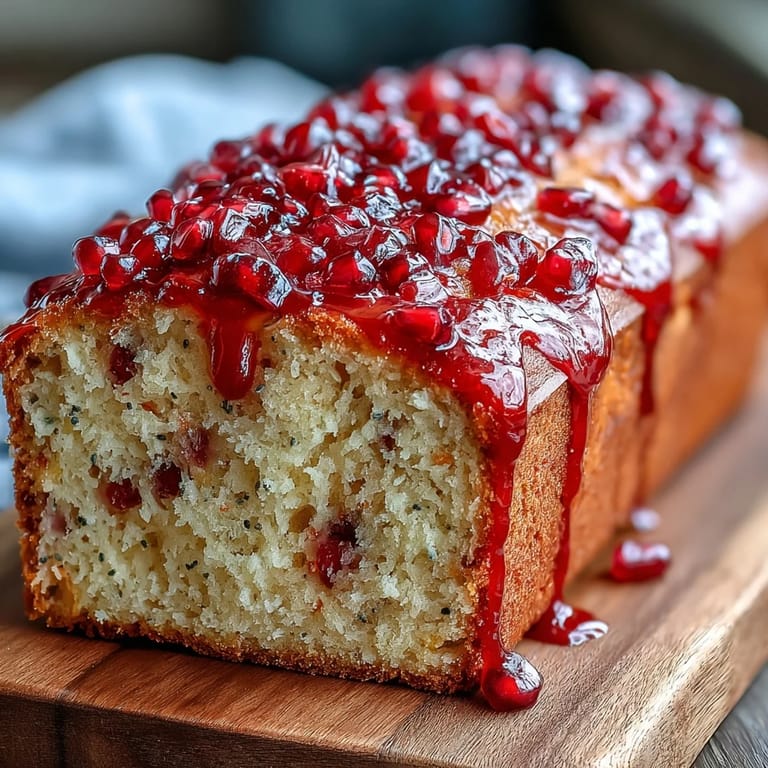
 The scent of blood orange zest hit me before I even turned on the mixer. I was testing this cake on a gray February morning when citrus season peaks, and the kitchen filled with this sharp, floral sweetness that made everything feel less heavy. The ruby juice stained my fingertips, and I remember thinking this batter looked too pretty to bake. But once it came out of the oven, golden and cracked on top, I knew I'd made something worth the mess.
I brought this to a brunch once, still warm and unglazed, because I ran out of time. Someone sliced into it before I could explain it wasn't finished, and within ten minutes the whole loaf was gone. They said the poppy seeds added just enough texture, and the marzipan made it feel fancy without trying too hard. I stopped apologizing after that and just started baking two.
Ingredients
- All-purpose flour: The backbone of the crumb, measured carefully so the cake doesn't turn dense or dry.
- Baking powder and salt: These give the lift and balance the sweetness without making it taste flat.
- Poppy seeds: They add a gentle crunch and a nutty undertone that plays well with citrus.
- Unsalted butter: Creaming it properly with the sugar creates air pockets that keep the cake light.
- Granulated sugar: Sweetens and helps the zest release its oils when you rub them together.
- Blood orange zest: This is where the magic lives, so use a microplane and avoid the white pith.
- Eggs: They bind everything and add richness, so bring them to room temperature first.
- Marzipan: Grate it frozen or it turns sticky, and it melts into little almond pockets throughout the loaf.
- Blood orange juice: Freshly squeezed is worth it for the color and the floral tang.
- Whole milk: Adds moisture and helps the batter come together without feeling heavy.
- Vanilla extract: A quiet backdrop that rounds out the citrus without competing.
- Powdered sugar: For the glaze, sifted so it drizzles smooth and glossy.
Tired of Takeout? 🥡
Get 10 meals you can make faster than delivery arrives. Seriously.
One email. No spam. Unsubscribe anytime.
Instructions
- Prep the pan and oven:
- Preheat to 175°C and line your loaf pan with parchment, leaving some overhang so you can lift the cake out easily later. Grease the parchment lightly so nothing sticks.
- Mix the dry ingredients:
- Whisk the flour, baking powder, salt, and poppy seeds in a bowl until the seeds are evenly scattered. Set it aside where you can reach it quickly.
- Cream butter, sugar, and zest:
- Beat them together for a full three minutes until the mixture looks pale and fluffy, almost like buttercream. This step builds the structure, so don't rush it.
- Add the eggs:
- Crack them in one at a time, letting each one blend completely before adding the next. The batter should look smooth and glossy.
- Fold in the marzipan:
- Scatter the grated marzipan over the batter and fold gently with a spatula until it's mixed through but not overworked. You'll see little flecks of it throughout.
- Combine the wet ingredients:
- Stir the blood orange juice, milk, and vanilla together in a small bowl. The color will be stunning, almost like watercolor paint.
- Alternate adding dry and wet:
- Add a third of the flour mixture, then half the juice mixture, then another third of flour, the rest of the juice, and finish with the last of the flour. Mix gently after each addition and stop as soon as you don't see streaks.
- Bake the loaf:
- Pour the batter into the pan, smooth the top with a spatula, and bake for 45 to 55 minutes. It's done when a toothpick comes out clean and the top springs back when you press it lightly.
- Cool completely:
- Let it sit in the pan for ten minutes, then lift it out using the parchment and set it on a wire rack. Don't glaze it while it's warm or the icing will just soak in.
- Make and apply the glaze:
- Whisk powdered sugar with blood orange juice until it's smooth and drizzles off a spoon in a ribbon. Pour it over the cooled cake and let it set for at least fifteen minutes before slicing.
 Pin This
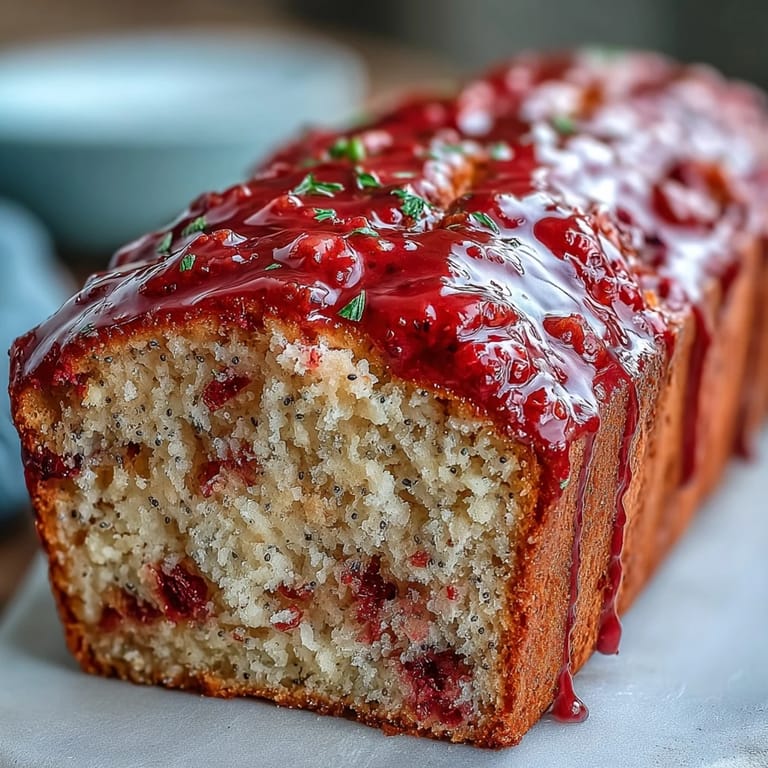
 One afternoon, I served this cake to a friend who doesn't usually like anything too sweet. She took a slice, paused after the first bite, and said it tasted like winter turning into spring. I'd never thought of it that way, but she was right—the tartness and the almond warmth together felt like a shift in seasons. It's been my go-to ever since when I want something that feels hopeful without trying too hard.
How to Know When It's Done
The top will crack slightly and turn golden brown, and the edges will pull away from the pan just a little. A toothpick inserted into the center should come out with only a few moist crumbs, not wet batter. If the top is browning too fast, tent it loosely with foil for the last fifteen minutes. Trust the toothpick over the timer, because ovens vary and this cake is forgiving if you catch it at the right moment.
Storing and Serving Suggestions
This loaf keeps beautifully in an airtight container at room temperature for up to three days, and honestly tastes even better on day two when the flavors settle. I like to slice it thick and serve it with Earl Grey tea or a small glass of Prosecco if it's a celebration. You can also wrap individual slices in parchment and give them as gifts—they travel well and feel personal. If you want to make it ahead, bake it unglazed, wrap it tightly, and freeze it for up to a month, then thaw and glaze it the day you plan to serve.
Variations and Swaps
If you can't find blood oranges, regular navel oranges work fine, though you'll lose that deep ruby color and some of the floral bitterness. You can swap the marzipan for almond paste if you want a stronger almond flavor, or leave it out entirely and add an extra tablespoon of butter for moisture. A splash of orange liqueur in the glaze makes it feel more grown-up, and a handful of chopped pistachios on top adds crunch and color.
- Try lemon zest and juice for a brighter, sharper version that feels more summery.
- Add a teaspoon of cardamom to the dry ingredients for a warm, spiced twist.
- Use Greek yogurt instead of milk for a tangier crumb that stays moist even longer.
 Pin This
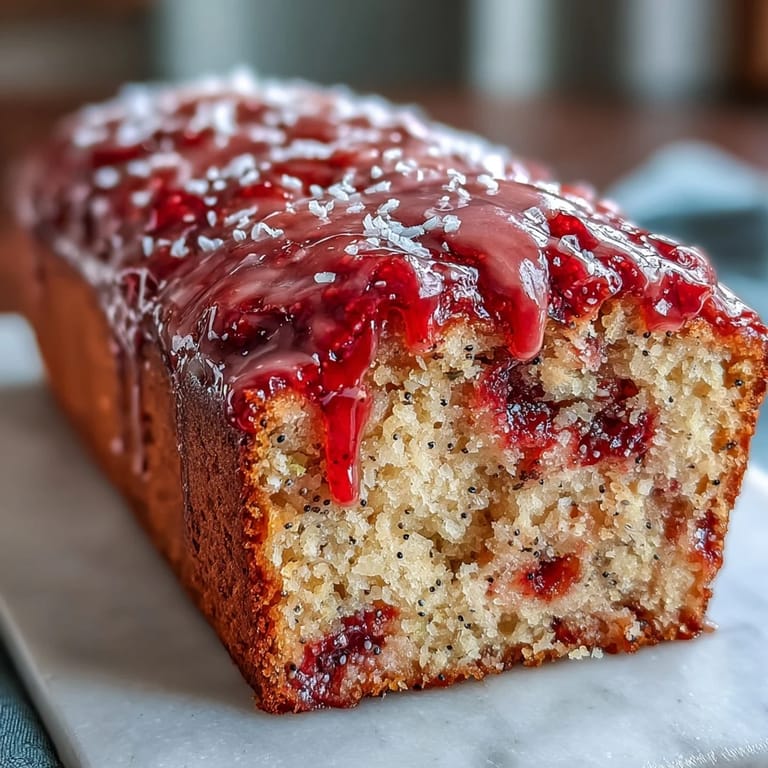
 This cake doesn't need much fuss or explanation, it just needs to be made and shared. Slice it thick, pour something warm, and let the citrus and almond do the talking.
Recipe FAQ
- → Can I use regular oranges instead of blood oranges?
Yes, regular oranges work well, though you'll lose the distinctive ruby color and slightly tart flavor. The cake will still be delicious and aromatic.
- → What can I substitute for marzipan?
Almond paste is the closest substitute and provides a deeper almond flavor. You can also use finely ground almonds mixed with a little sugar, though the texture will differ slightly.
- → How should I store this loaf cake?
Store in an airtight container at room temperature for 2-3 days. For longer storage, wrap tightly and refrigerate for up to 5 days, or freeze for up to 2 months.
- → Can I make this cake gluten-free?
Yes, substitute the all-purpose flour with a 1:1 gluten-free baking flour blend. Ensure your baking powder and other ingredients are certified gluten-free.
- → Why is my loaf cake dense instead of fluffy?
Overmixing the batter develops too much gluten, resulting in density. Mix just until ingredients are combined, and ensure your baking powder is fresh for proper rise.
- → Can I add other citrus fruits to this loaf?
Absolutely! Try combining blood orange with lemon or lime zest for added complexity. Adjust the juice amounts to maintain the proper liquid balance in the batter.