 Pin This
 There's something almost meditative about watching guavas transform from bright, fragrant fruit into deep ruby paste. My grandmother kept a jar of it in her kitchen, and I'd sneak spoonfuls whenever I visited, not entirely sure what I was tasting but completely enchanted by it. Years later, standing in my own kitchen with a pile of guavas from the farmers market, I finally understood the magic—it's patience, heat, and the slow revelation of flavor that nothing else quite captures.
I once made this for a potluck and brought it alongside a wedge of Manchego, watching someone's face light up when they tasted them together. That moment—when someone discovers a new flavor combination that makes them pause—is what keeps me making this paste every time guavas appear at the market.
Ingredients
- Ripe guavas (1 kg or 2.2 lbs): Look for fruit that gives slightly to pressure and smells intensely fragrant; this is where all the flavor comes from, so ripeness matters deeply.
- Granulated sugar (450 g or 2 1/4 cups): This dissolves into the paste and helps it set to that perfect, sliceable consistency without crystallizing.
- Fresh lemon juice (2 tbsp): The acid brightens the guava's sweetness and prevents the paste from tasting one-dimensional.
- Water (120 ml or 1/2 cup): Just enough to help the guavas soften without drowning them.
Tired of Takeout? 🥡
Get 10 meals you can make faster than delivery arrives. Seriously.
One email. No spam. Unsubscribe anytime.
Instructions
- Prepare and soften the guavas:
- Wash your guavas under cool water, trim both ends, and cut them into quarters. You can remove the seeds if you want an extra-smooth paste, but honestly, the food mill catches most of them anyway. Add them to a large saucepan with the water, bring everything to a boil, then cover and let them simmer gently for 15 to 20 minutes until they're completely soft and starting to fall apart.
- Press into puree:
- Let the cooked guavas cool just enough to handle, then pass them through a food mill or fine mesh strainer, pressing gently to extract all the pulp while leaving seeds and skins behind. This step takes patience, but it's the difference between a rustic paste and something truly silky.
- Combine and cook down:
- Measure your guava puree and return it to the pot along with an equal amount of sugar and the lemon juice. Set the heat to low and stir constantly with a wooden spoon, making sure nothing sticks to the bottom—this is where you really earn the paste's deep color and concentrated flavor.
- Watch for the perfect moment:
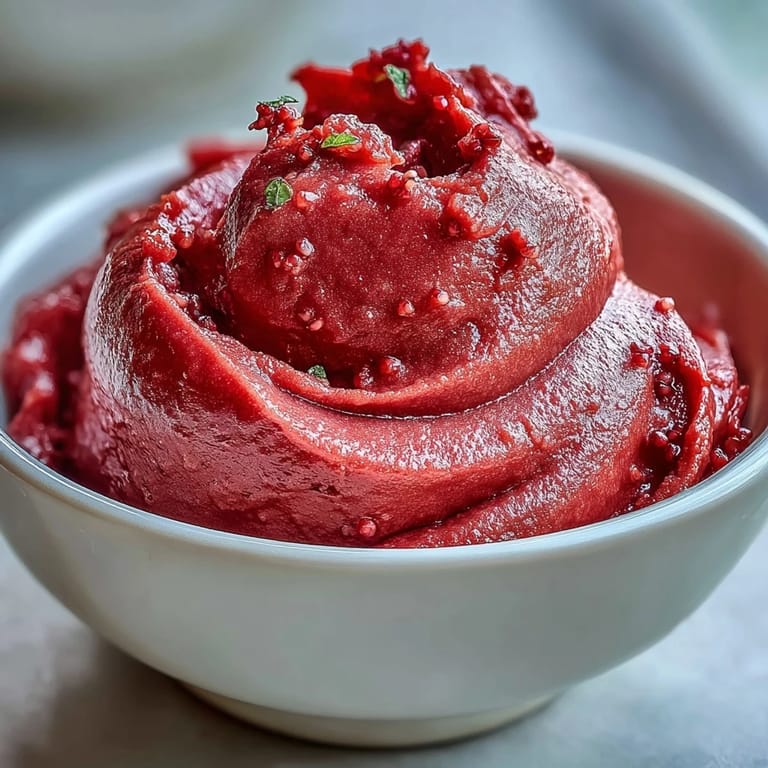
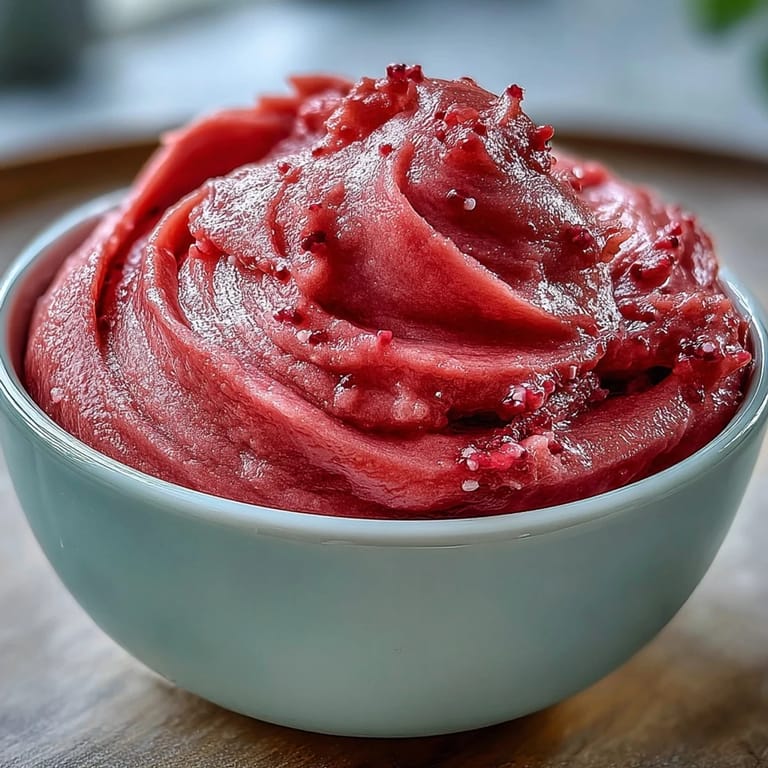
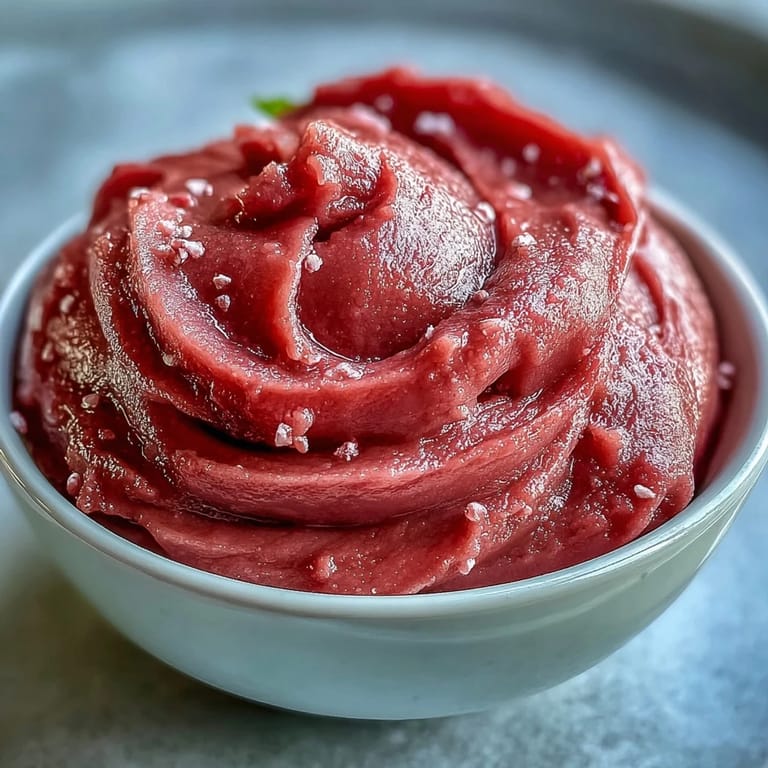
- After 40 to 50 minutes of stirring, you'll notice the mixture becoming glossy, darkening to a rich burgundy, and pulling away slightly from the sides of the pan. When a spoonful holds its shape on a cool plate, you're done.
- Set and cool:
- Pour the hot paste into a parchment-lined loaf pan and smooth the top. Let it cool at room temperature for 2 to 3 hours until it's completely firm, then unmold and slice into whatever shapes you prefer.
 Pin This
 There's a moment while this paste cooks when your whole kitchen smells like a tropical garden compressed into something almost overwhelmingly sweet. That's when you know it's working, when the transformation from fruit to confection becomes real and undeniable.
The Stirring Ritual
This recipe demands your attention in a way that feels almost old-fashioned. You can't walk away and set a timer; you have to stand there, wooden spoon in hand, watching the mixture thicken and darken. There's something grounding about that, actually—the repetitive motion, the smell changing subtly every few minutes, the gradual transformation you're witnessing with your own hands.
Storing and Serving
Once it's sliced and cooled, store your paste in an airtight container in the refrigerator where it keeps beautifully for up to three months. The flavor actually deepens over time, so making a batch now means you'll enjoy it even more a few weeks from now. Slice it as thinly or thickly as you prefer—I like mine thick enough to stand alone on a cracker but thin enough that it melts slightly in the mouth.
Beyond the Basics
This paste is a quiet overachiever. Most people know it as a simple condiment, but it transforms into something magical when you pair it thoughtfully. It softens against warm cheese, fills pastries with elegant restraint, and makes an excellent spoon sweet to serve with tea or coffee to guests who appreciate such things.
- Layer it into desserts like cakes or cheesecakes for a sophisticated guava flavor without overwhelming sweetness.
- Swirl it into yogurt or fold it into whipped cream for an easy but impressive dessert.
- Keep a jar on hand for those moments when you need something to offer guests that feels both simple and special.
 Pin This
 Making guava paste feels like capturing something fleeting and bottling it for later, a small act of preservation that somehow makes the kitchen smell like someone's grandmother lives there. That's the real magic of it.
Recipe FAQ
- → How long does guava paste keep?
When stored in an airtight container in the refrigerator, guava paste keeps for up to 3 months. Its high sugar content acts as a natural preservative.
- → Can I freeze guava paste?
Yes, wrap portions tightly in plastic wrap and place in freezer-safe bags. It freezes well for up to 6 months. Thaw overnight in the refrigerator before using.
- → Why is my guava paste not thickening?
Continue cooking over low heat, stirring constantly. The mixture needs to reduce significantly. It's ready when it pulls away from the pan sides and holds its shape on a spoon.
- → Do I need to remove guava seeds?
Removing seeds creates a smoother texture. Using a food mill or fine mesh strainer effectively separates the pulp from seeds and skins for a silky finish.
- → What pairs well with guava paste?
Traditionally served with Manchego or cream cheese, crackers, and nuts on charcuterie boards. Also excellent as a filling for pastries, empanadas, or thumbprint cookies.
- → Can I use less sugar?
Sugar helps preserve the paste and achieve the proper consistency. Reducing sugar may affect shelf life and texture. Adjust slightly based on fruit sweetness, but don't reduce drastically.