 Pin This
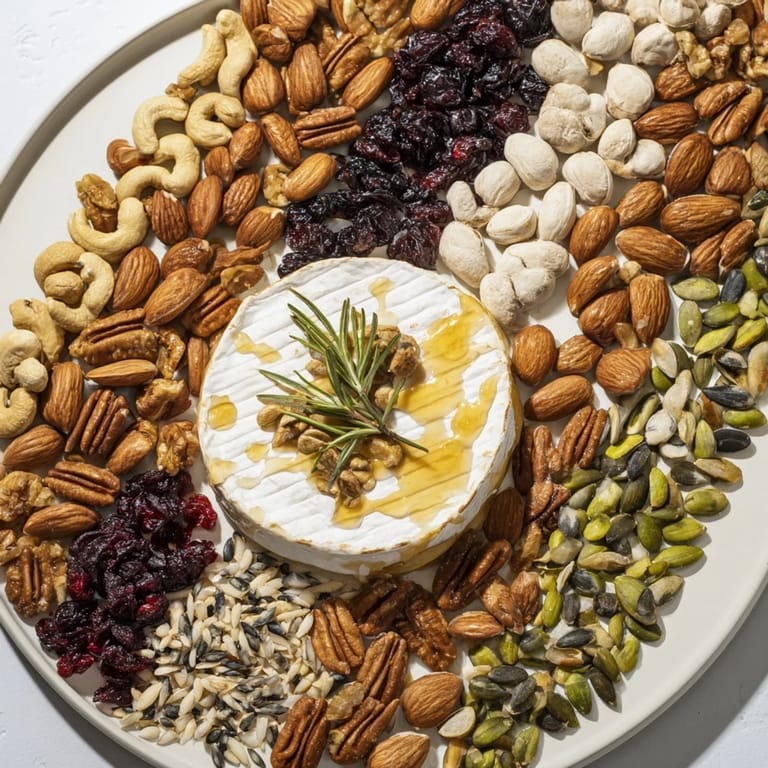
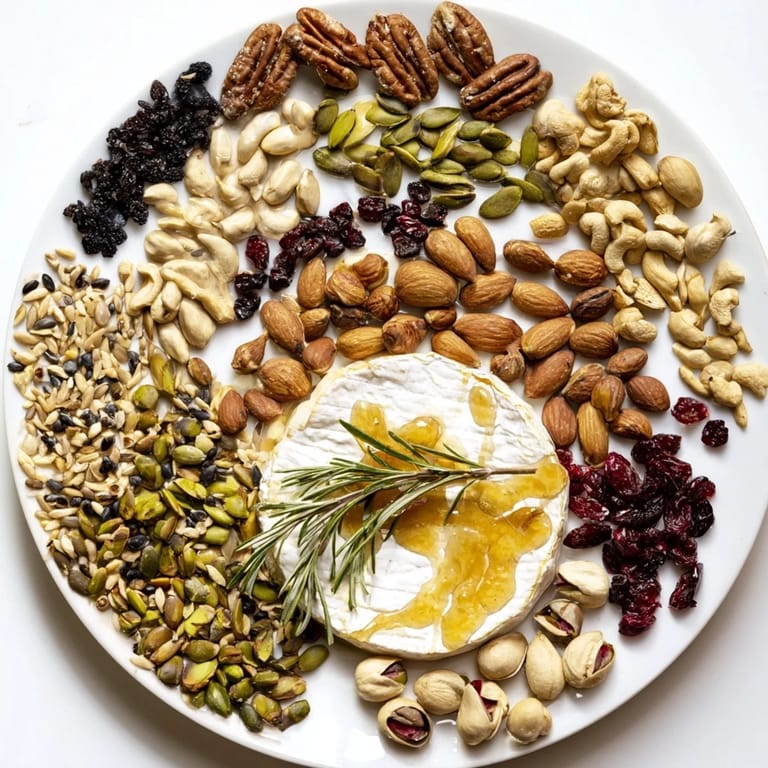
 I discovered this maze-like creation at a dinner party where the host had arranged nuts and seeds in such a deliberate, playful pattern that guests couldn't resist following the path to the treasure waiting at the center. There was something magical about how the act of reaching for cheese became an adventure rather than just grabbing a bite. That night, I watched conversations bloom as people traced their fingers along the spiraling pattern, lingering longer than they normally would at a grazing table. I went home determined to recreate that moment, and what started as a simple appetizer became my favorite way to make guests pause and actually engage with the food in front of them.
The first time I made this for a dinner party, I spent way too long sketching the labyrinth with a pencil, worried it wouldn't look impressive enough. But then my friend Sarah grabbed a handful of pistachios mid-arrangement and started laughing at how seriously I was taking the whole thing, and suddenly we were both just arranging and rearranging, playing with color and flow like we were kids with edible art supplies. By the time guests arrived, the platter looked effortless and organic, even though we'd fussed over it for an hour. That's when I realized the beauty of this dish isn't in perfectionism—it's in the playfulness baked into every layer.
Ingredients
- Raw almonds: They stay crisp and provide a delicate sweetness that balances richer nuts; I always buy them raw and never toast them for this since the contrast matters.
- Roasted cashews: Their buttery creaminess is essential to the mix, and the roast brings out enough flavor that they don't get lost between the almonds and pecans.
- Pistachios: Buy them already shelled if you can—the green color is too good to pass up, and you'll avoid the frustration of cracking shells while arranging.
- Pecan halves: These are your texture anchor; their size helps define the path and keeps smaller seeds from rolling everywhere.
- Hazelnuts: Slightly sweet and often overlooked, they fill gaps beautifully and add an earthy undertone to the whole arrangement.
- Pumpkin seeds (pepitas): The stars of the seed section—their vibrant green and flat shape make them perfect for neat lines.
- Sunflower seeds: Lighter in color and smaller, they create visual contrast and add a subtle crunch that guests will appreciate.
- Black and white sesame seeds: These are your detail work; they fill smaller spaces and create an almost ombré effect if you're patient with placement.
- Flaxseeds: Tiny and earthy, they're the glue that holds visual harmony together without stealing the show.
- Soft-ripened cheese: Brie, Camembert, or a quality vegan wheel—whatever you choose, this is the prize that justifies the maze, so don't skimp on quality.
- Dried cranberries or cherries: A pop of color and tartness that prevents the whole thing from feeling too savory and nuts-forward.
- Fresh herbs: Thyme and rosemary add an aromatic touch that makes the cheese feel restaurant-worthy with minimal effort.
- Honey or agave: A thin drizzle over the cheese transforms it from good to unforgettable.
Tired of Takeout? 🥡
Get 10 meals you can make faster than delivery arrives. Seriously.
One email. No spam. Unsubscribe anytime.
Instructions
- Plan your path:
- Lightly sketch a winding labyrinth on your board with a pencil if you need the guide, but honestly, freehand spirals look just as charming. The pencil is more for your confidence than for precision.
- Build the outline:
- Start at the outer edge with your largest elements—pecan halves work great here because they stay put. This gives you a visual frame to work within.
- Layer the lines:
- Alternate between nuts and seeds as you follow your path inward, switching types every inch or so. This creates rhythm and keeps the eye moving along with the pattern.
- Mind the transitions:
- Where colors meet, pause and think about contrast—darker against lighter reads better and guides guests through the maze more naturally. You're designing a visual journey, not just scattering ingredients.
- Reach the center:
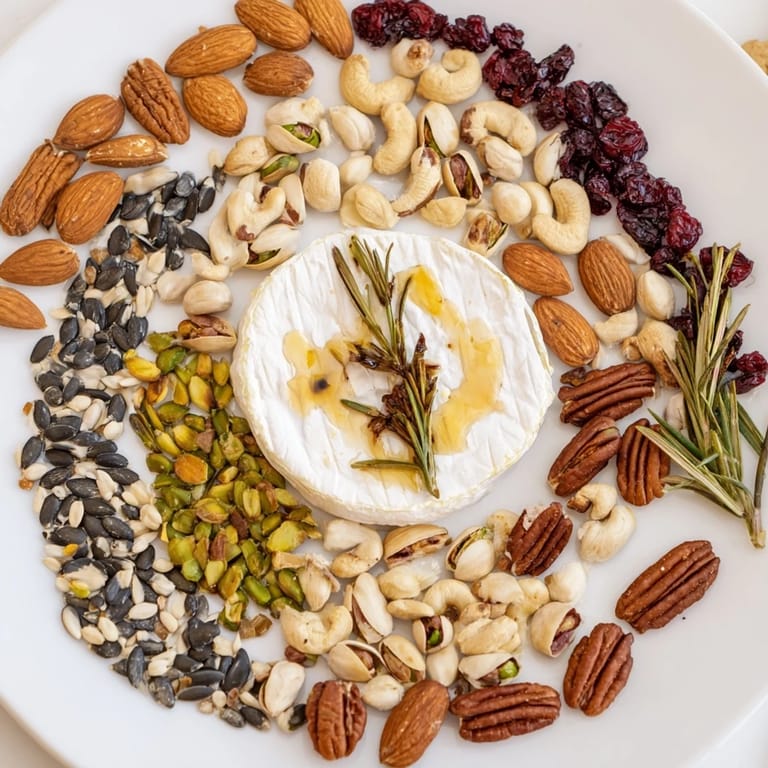
- Once your spiraling path winds to the middle, place your cheese wheel there like a destination waiting to be discovered. It should feel intentional, not accidental.
- Crown the cheese:
- Tear fresh herbs over the top and drizzle with honey or agave—this final touch tells guests that what they've found is worth the journey.
- Fill the gaps:
- Scatter dried fruit in any white spaces around the platter; this prevents the arrangement from looking sparse and adds little flavor surprises.
- Set the scene:
- Place small forks and picks nearby so guests understand they're meant to navigate and explore, not just grab.
 Pin This
 What surprised me most about this dish was how it changed the social dynamics of eating. Usually, people graze alone, standing in corners with small plates. But with the labyrinth, strangers started tracing the path together, laughing when they took wrong turns and had to backtrack, commenting on which nuts were best and whether the Brie was perfectly ripe. It became the focal point of the whole evening, and I think that's the real magic of it.
Why Color and Contrast Matter More Than Perfection
The first time I arranged this, I tried to make everything perfectly symmetrical, and it actually looked stiff and formal. The second time, I stopped caring about precision and just played with placing complementary colors next to each other—dark pecan against pale cashew, green pistachio against white sesame. The whole thing came alive. Your labyrinth doesn't need to be perfect; it needs to be intentional and visually interesting enough that guests can follow it without thinking.
The Art of Interactive Appetizers
Appetizers don't have to be passive little bites consumed without ceremony. When you build something that asks guests to engage with the food—to navigate it, to make choices about their path—suddenly eating becomes part of the entertainment. I've made this platter at least a dozen times now, and every single time, people spend twice as long hovering around it as they do other offerings on the table. It's not because the cheese is necessarily better; it's because the experience is better.
Customization and Seasonal Play
I've learned to shift this platter with the seasons and what I have on hand. In autumn, I lean into warm-toned nuts and add candied pumpkin seeds. In spring, I'll throw in some edible flowers around the edge or swap the honey for a drizzle of reduced balsamic. The core idea stays the same, but the feeling changes completely. Once, I even made a version with candied nuts and a darker blue cheese just to see if I could pull off a more sophisticated aesthetic, and it was stunning.
- Try candied or spiced nuts for a sweeter version that works with dessert boards.
- Swap the cheese variety depending on your crowd—a sharp aged cheddar reads completely different than a soft Brie.
- Add thin apple or pear slices between sections for moisture and brightness, though these will need refreshing halfway through a party.
 Pin This
 This appetizer is proof that the most memorable food moments aren't always about complex recipes or rare ingredients—they're about intention and invitation. When you make something that asks people to slow down and engage, you're doing something far more generous than just feeding them.
Recipe FAQ
- → What types of nuts work best for the labyrinth?
Choose a mix of raw and roasted nuts like almonds, cashews, pistachios, pecans, and hazelnuts to create contrasting textures and colors.
- → Can I substitute the cheese for a vegan alternative?
Yes, a plant-based soft cheese wheel can replace traditional options to keep the centerpiece creamy and suitable for vegan diets.
- → How do I shape the labyrinth neatly on the board?
Optional guiding with a pencil sketch helps maintain smooth, winding paths for single-file lines of nuts and seeds.
- → Are there suggestions for pairing beverages?
Light white wines like Sauvignon Blanc or sparkling ciders complement the nutty and creamy flavors well.
- → What can I do to add more color and flavor?
Incorporate dried cranberries or cherries and fresh herbs like thyme or rosemary to brighten the presentation and add taste depth.