 Pin This
 My neighbor arrived one humid afternoon with a bag of guavas from her tree, the kind that perfume your kitchen the moment you set them down. I'd never made preserves before, but something about their pink flesh and tropical sweetness made me want to try. What started as a casual afternoon project became an obsession—the way the fruit transforms under heat, how the kitchen fills with this intoxicating aroma that reminds you why people have been making jam for centuries. Now I can't imagine a cheese board without a small spoon of this beside a sharp cheddar.
I made this preserve for a potluck once, tucked into a mason jar with a handwritten label, expecting it to sit politely on the table. Instead, someone tasted it with a cracker and cheese, and suddenly everyone wanted the recipe. That's when I realized this wasn't just jam—it was the kind of thing people remember about you, the homemade treasure they ask about months later.
Ingredients
- Ripe guavas (1.5 kg, about 10–12 medium): Look for ones that yield slightly to pressure and smell perfumy; this is where all your flavor comes from, so don't settle for hard or underripe fruit.
- Granulated sugar (700 g): This isn't just sweetness—it's also what helps the preserve set and develop that jewel-like consistency that catches the light in the jar.
- Fresh lemon juice (2 tablespoons): Balances the guava's richness and acts as a natural preservative that lets you keep this longer without refrigeration.
- Water (1 cup): Helps the guavas soften and release their juices; use filtered water if you have it, as it keeps the color brighter.
Tired of Takeout? 🥡
Get 10 meals you can make faster than delivery arrives. Seriously.
One email. No spam. Unsubscribe anytime.
Instructions
- Prepare your guavas with purpose:
- Wash them well under running water, then cut into quarters and scoop out the seeds with a spoon—don't be shy, but do preserve every bit of the pink flesh you can. You're removing the hard seed core while keeping all the aromatic fruit that will become your preserve.
- Soften the fruit gently:
- Place the guava flesh and water in your largest saucepan, bring to a rolling boil, then lower the heat and let it simmer for 15 to 20 minutes. You'll know it's ready when a piece falls apart easily when pressed against the side of the pan.
- Break down to smoothness:
- Use a potato masher to crush the softened guavas, working in a circular motion—or pulse briefly in a blender if you prefer something silkier. The choice here is entirely yours; some people love little texture, others want a bit of rustic charm.
- Strain out the final pieces:
- Press the mashed mixture through a fine sieve or food mill, using the back of a spoon to push the pulp through while the seeds stay behind. This step takes patience, but it's what gives you that restaurant-quality smooth jam.
- Bring sugar and lemon into the dance:
- Return your guava pulp to the saucepan, add the sugar and lemon juice, and stir until the sugar dissolves completely. You'll hear it sizzle slightly as you stir; that's a good sign.
- Cook it into jam:
- Bring the mixture to a boil over medium-high heat, stirring constantly to prevent sticking to the bottom—this usually takes 5 to 8 minutes. Once it's boiling, reduce the heat to medium and settle in for the long simmer.
- Judge doneness by touch and patience:
- Stir frequently as the preserve thickens over 35 to 45 minutes; when you run a spoon through it, the path should close slowly, not immediately. Test readiness by dropping a small spoonful onto a cold plate—if it wrinkles when you push it with your finger, you're done.
- Jar it while it's warm:
- Skim off any foam floating on top with a spoon, then pour the preserve into sterilized jars, leaving about half a centimeter of headspace at the top. Seal immediately and let cool completely on the counter before storing.
 Pin This
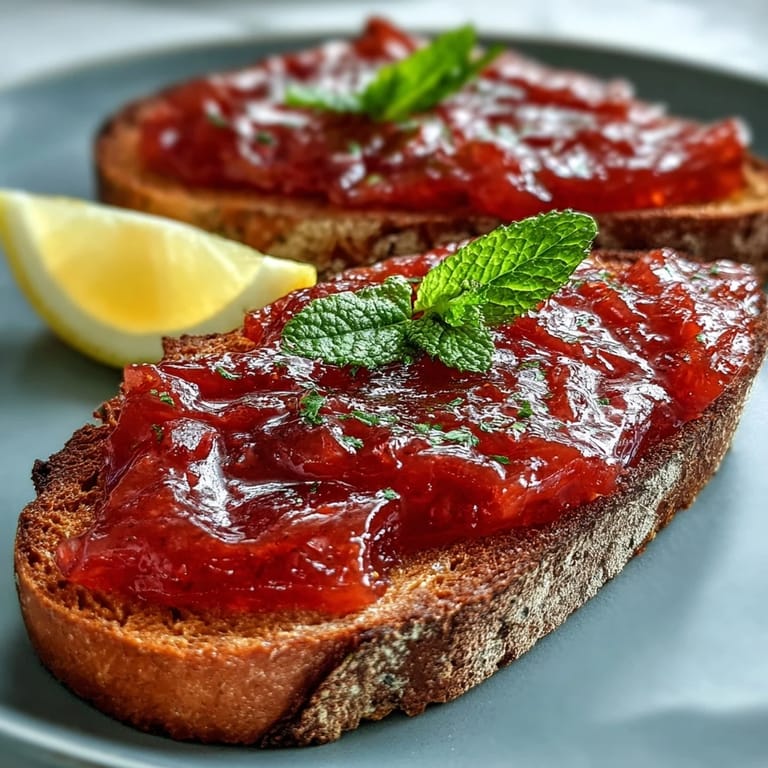
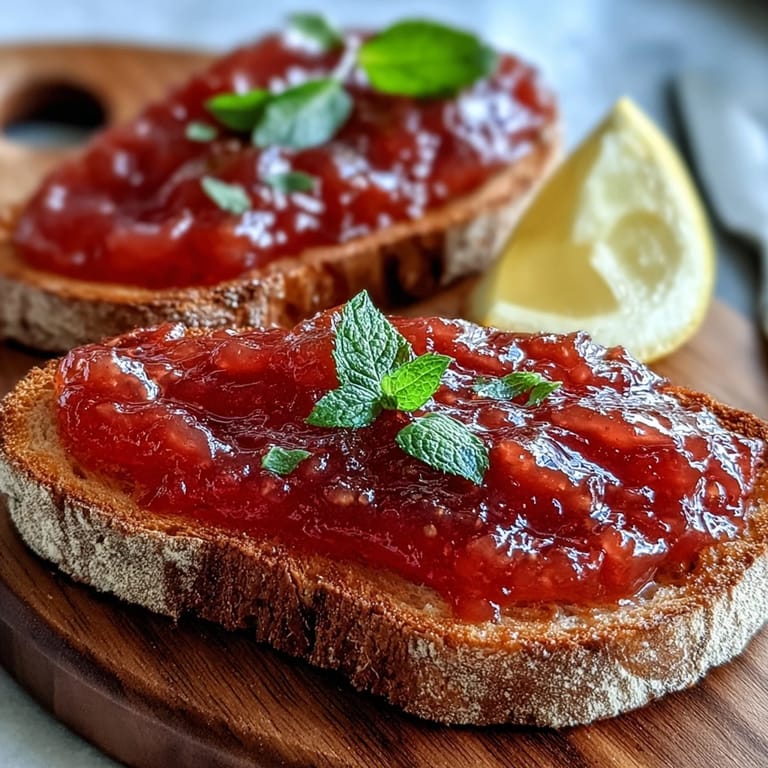
 There's a moment, maybe 40 minutes into cooking, when you pause to smell the steam rising from the pot and realize you're creating something that tastes like a specific place and time. My daughter once spread this on toast with butter and said it tasted like a vacation, which pretty much says everything about why I keep making it.
The Science Behind Setting
Guavas contain natural pectin, which is why this preserve sets without any additives—the fruit's own chemistry does the heavy lifting. As the fruit breaks down and the water evaporates, the pectin molecules bond with the sugar and acid from the lemon, creating a gel that's firm enough to spread but soft enough to melt on your tongue. Understanding this takes the mystery out of jam-making and helps you trust the process even when everything looks thin halfway through.
Beyond Toast: How to Use This Preserve
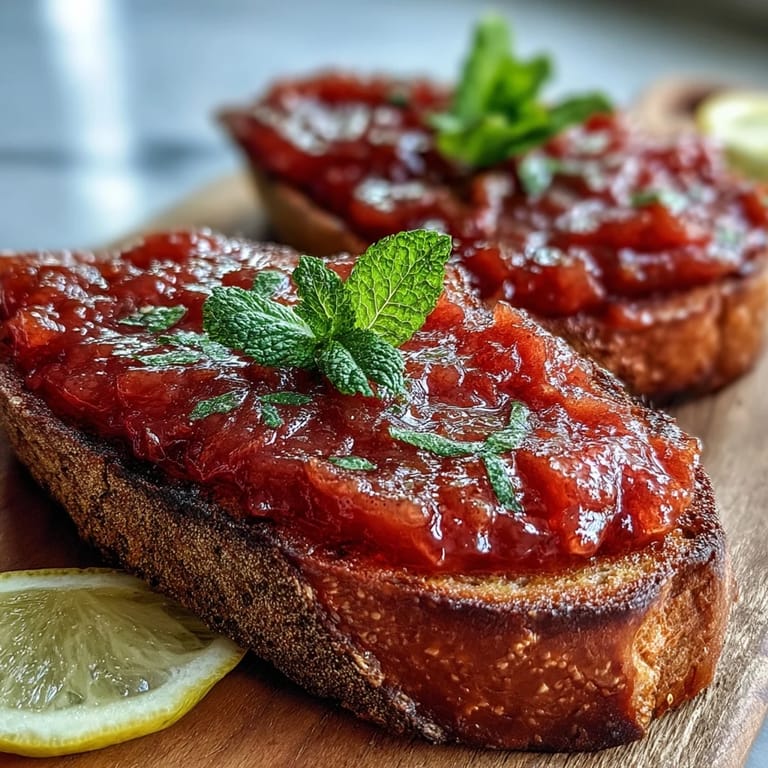
Spread it on morning toast with a sharp cheese, dollop it into the center of custard tarts just before serving, or swirl it through vanilla yogurt for a quick dessert that feels fancy. I've even warmed a spoonful and drizzled it over roasted duck, where the tropical sweetness plays against savory meat in a way that makes people stop mid-conversation to ask what you did. Once you have a jar, the uses multiply—it becomes less a condiment and more a secret ingredient for everyday elegance.
Storage and Making It Last
Refrigerated in sealed jars, this preserve keeps for up to three months, though it rarely lasts that long in my house. For longer storage and the satisfaction of a proper pantry, process the filled jars in a boiling water bath for 10 minutes—this creates a shelf-stable seal that lets you gift jars with confidence. Once opened, always refrigerate, and always use a clean spoon each time you scoop, treating your homemade treasure with the care it deserves.
- Label your jars with the date so you remember when you made this moment in a jar.
- A small jar makes a thoughtful gift paired with good crackers and a note about your favorite way to eat it.
- If foam forms during storage, it's normal and doesn't affect the preserve—just skim it off before serving.
 Pin This
 Making guava preserves taught me that some of the most memorable things come from simple ingredients and patience. Every spoonful tastes like care.
Recipe FAQ
- → How do I know when the preserves are ready?
Test by placing a small amount on a chilled plate. If it wrinkles when you push it with your finger, the preserves have reached the proper setting consistency.
- → Can I use frozen guavas?
Yes, frozen guavas work well. Thaw completely before using and drain any excess liquid, adjusting the cooking time slightly if needed.
- → How long will these preserves last?
Properly sealed and processed jars can be stored in a pantry for up to a year. Once opened, refrigerate and use within 3 months for best quality.
- → What's the best way to serve guava preserves?
Try spreading on buttered toast, pairing with sharp cheddar or cream cheese, filling thumbprint cookies, or swirling into yogurt for breakfast.
- → Can I reduce the sugar amount?
Sugar helps with preservation and texture. You can reduce slightly, but this may affect shelf life and consistency. For lower sugar options, consider using pectin.