 Pin This
 The morning my Italian neighbor taught me to make spinach pasta was a revelation. Sunlight streamed through her kitchen window as she expertly kneaded emerald dough, flour dusting her hands like fine snow. "The secret is in how you squeeze the spinach," she insisted, demonstrating with weathered hands how to extract every drop of moisture. That afternoon changed my relationship with pasta forever, transforming it from something I purchased to something I created with pride.
Last spring, my sister visited with her picky-eater children who mysteriously devoured every bite of ravioli made from this dough. We stuffed them with simple ricotta while sharing stories across my flour-dusted table, the children helping to press the edges with forks. Their little fingers stained slightly green, they giggled about making Hulk pasta while I silently celebrated getting vegetables into their diet without a single complaint.
Ingredients
- Fresh baby spinach (100g): The fresher your spinach, the more vibrant your pasta color will be, and I've found organic spinach gives the most brilliant emerald tone.
- Italian 00 flour (200g): This ultra-fine flour creates silky-smooth pasta, though all-purpose will work in a pinch if you increase the kneading time by about two minutes.
- Semolina flour (50g): Adding this gives your pasta a beautiful bite and authentic texture, but I've made it without when my pantry was bare and it still turned out lovely.
- Eggs (2 large): Room temperature eggs incorporate more smoothly, something I learned after several frustrating attempts with cold eggs straight from the refrigerator.
- Fine sea salt (½ tsp): This enhances the subtle earthiness of the spinach without making the pasta itself taste salty.
Tired of Takeout? 🥡
Get 10 meals you can make faster than delivery arrives. Seriously.
One email. No spam. Unsubscribe anytime.
Instructions
- Prepare the spinach:
- Bring water to a rolling boil before adding your spinach for just 30 seconds, watching as it transforms from rigid leaves to soft, wilted greens. The cold water rinse after blanching stops the cooking process and preserves that vibrant color we're after.
- Dry thoroughly:
- Squeeze every possible drop of moisture from your spinach, almost like you're wringing out a small kitchen towel. This step might seem tedious but trust me, excess moisture is the enemy of perfect pasta texture.
- Create the spinach puree:
- Chop the spinach finely or blend until it's completely smooth, with no stringy bits that might interrupt the silky texture of your dough. I prefer using a food processor for consistency, but grandmothers have been making this with just a knife for centuries.
- Create your well:
- On a clean work surface, mound your flours and salt together, then create a crater in the center large enough to hold your eggs and spinach. This traditional well method connects you to pasta makers throughout history.
- Begin incorporation:
- Add your eggs and spinach puree to the center and use a fork to gradually bring flour into the wet ingredients, working carefully to prevent the liquid from breaching the walls of your flour dam. The transformation from separate ingredients to cohesive dough feels like kitchen magic every time.
- Knead with purpose:
- Once your dough becomes too thick for the fork, get your hands involved and knead firmly for 8-10 minutes until smooth and elastic. The dough will tell you when it's ready, becoming less sticky and more responsive to your touch.
- Rest period:
- Wrap your dough tightly in plastic and allow it to rest for 30 minutes at room temperature, giving the gluten time to relax. This patience pays dividends in texture, making the dough easier to roll and resulting in more tender pasta.
- Roll and shape:
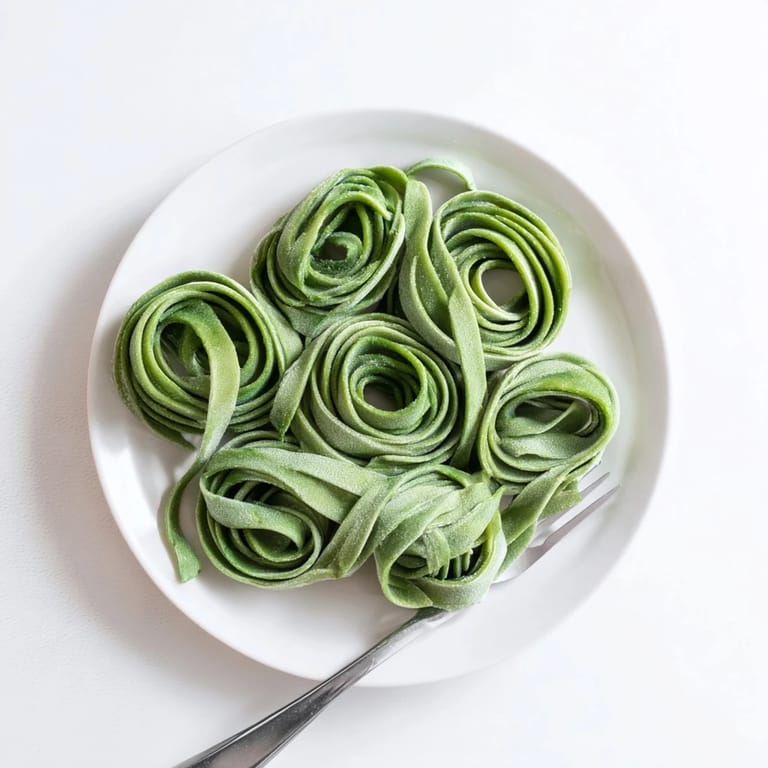
- Roll the dough through progressively smaller settings on your pasta machine, or use a rolling pin to create a thin, even sheet. Cut into your desired shapes, perhaps starting with simple fettuccine or tagliatelle before advancing to filled shapes like ravioli.
- Quick cooking:
- Fresh pasta needs just 1-2 minutes in rapidly boiling salted water. Watch carefully, as the difference between perfectly al dente and overcooked is mere seconds.
 Pin This
 My favorite memory with this spinach pasta comes from an impromptu dinner party where I had nothing planned but flour and spinach in the kitchen. We opened wine while I mixed the dough, guests taking turns with the pasta machine, their expressions shifting from curiosity to accomplishment as beautiful green sheets emerged. Something about working with your hands while sharing conversation created an intimacy that fancy restaurant meals never achieve, and now friends specifically request pasta-making nights at my home.
Storage and Make-Ahead Tips
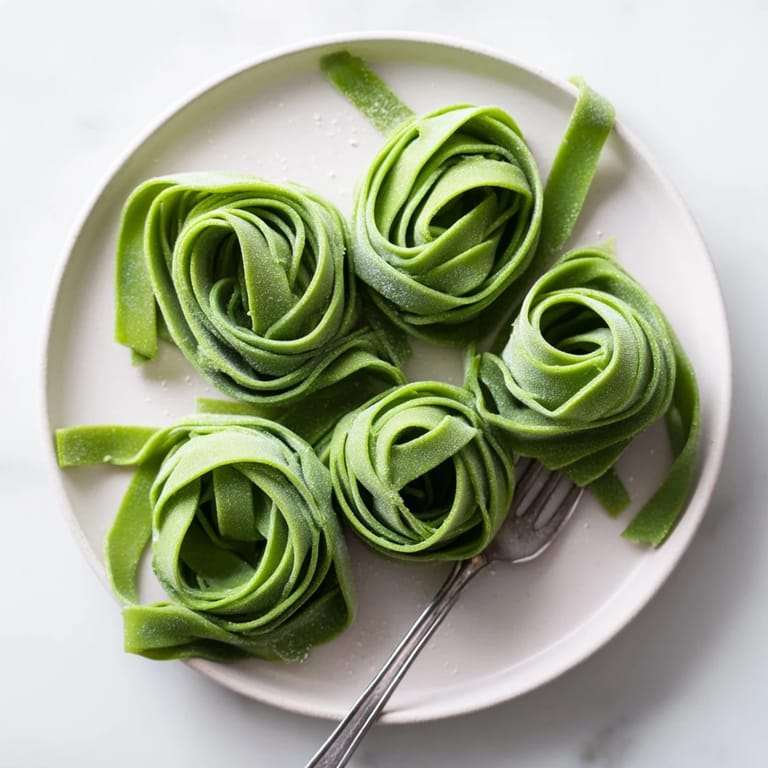
After countless batches, Ive learned this dough can be refrigerated for up to 24 hours if wrapped exceptionally well in plastic, though youll need to bring it fully to room temperature before rolling. For longer storage, cut the pasta into your chosen shapes, dust generously with flour, and freeze on a baking sheet before transferring to containers, where they'll keep beautifully for up to a month. The freezing actually seems to preserve the vibrant green color better than refrigeration, something I discovered accidentally when preparing for a dinner party weeks in advance.
Troubleshooting Common Issues
When I teach friends to make this pasta, the most common problem is dough that's either too wet or too dry. Remember that flour absorbs moisture differently based on your kitchen's humidity, the age of your flour, and even the size of your eggs. Trust your hands more than the recipe measurements, adding tiny amounts of flour or drops of water until the texture feels right, smooth and pliable without sticking to your fingers. Once, during a particularly humid summer evening, I needed almost 30g more flour than usual, while in winter, the dough often requires a few drops of water to come together properly.
Serving Suggestions
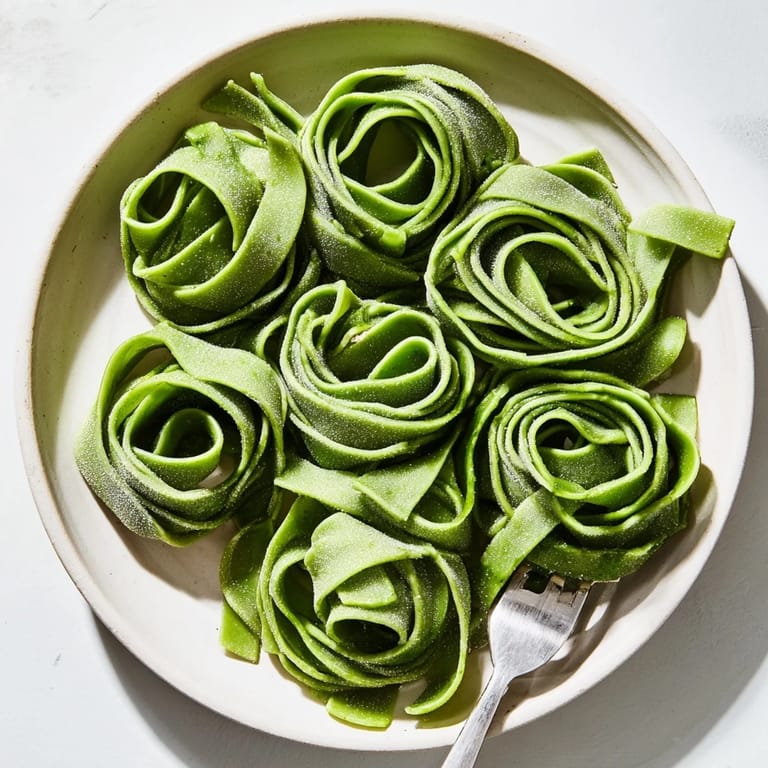
This vibrant pasta deserves sauces that complement rather than overwhelm its delicate spinach flavor and beautiful color. One summer evening, I discovered that a simple brown butter sage sauce creates magic with these green noodles, the nutty butter highlighting the earthiness of the spinach while crisp sage leaves add textural contrast. For filled pasta made with this dough, gentle flavors like ricotta with lemon zest or a subtle mushroom filling allow the pasta itself to remain a co-star rather than merely a vehicle.
- Consider simple cream-based sauces rather than heavy tomato ones to let the green color remain visible on the plate.
- Fresh peas, asparagus tips, or other spring vegetables make natural flavor companions while continuing the lovely green theme.
- When serving to skeptical eaters, especially children, playfully referring to it as dragon pasta or superhero noodles often overcomes any hesitation about the color.
 Pin This
 This spinach pasta recipe has become more than just a way to make dinner, its become a way to connect, to slow down, and to create something truly beautiful from simple ingredients. Whether youre rolling it out solo on a quiet Sunday or turning it into a hands-on dinner party activity, theres a special satisfaction in knowing youve mastered a culinary craft thats been perfected over centuries.
Recipe FAQ
- → Can I use frozen spinach instead of fresh?
Yes, you can use frozen spinach. Thaw it completely and squeeze out all excess moisture before pureeing. You'll need about 100g of thawed, drained spinach.
- → Why does my dough feel too sticky or too dry?
The moisture content in spinach varies, so adjust with small amounts of flour if sticky, or a few drops of water if crumbly. Knead until you achieve a smooth, elastic texture.
- → How thin should I roll the pasta dough?
For most shapes, roll to about 1-2mm thickness. For filled pasta like ravioli, slightly thinner works best. For lasagna sheets, you can go a bit thicker at 2-3mm.
- → Can I make this dough ahead of time?
Absolutely. Wrap tightly in plastic wrap and refrigerate for up to 24 hours. You can also freeze the dough for up to 3 months. Thaw in the refrigerator before using.
- → Do I need a pasta machine to roll this dough?
No, a rolling pin works perfectly fine. It requires more effort and time, but you can achieve thin, even sheets with patience and a well-floured surface.
- → What's the purpose of adding semolina flour?
Semolina adds texture and helps the pasta hold its shape during cooking. It also gives a slightly firmer bite, but it's optional if you prefer a more delicate texture.