 Pin This
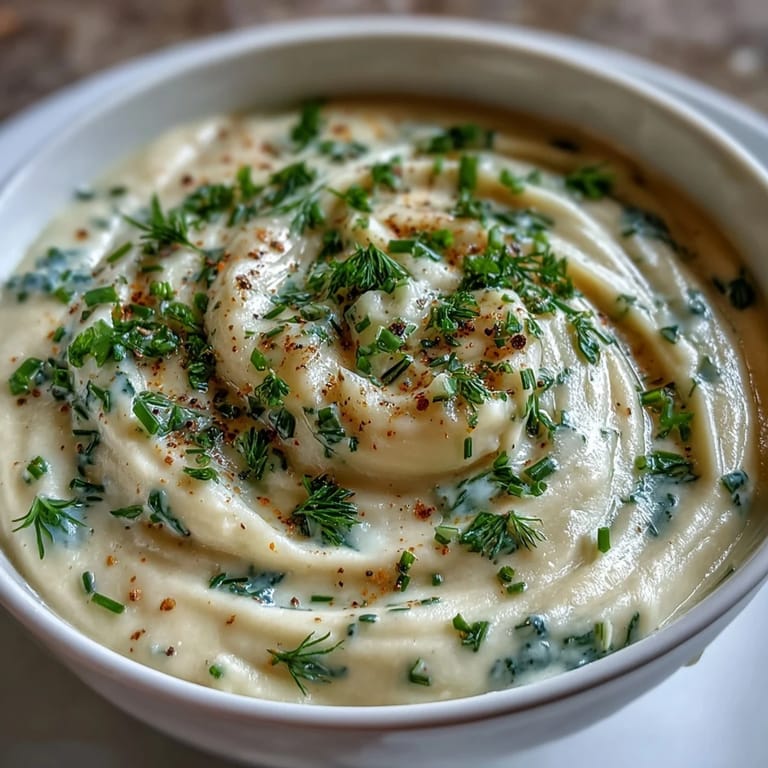
 There's something about autumn that makes me crave parsnip soup, though I didn't always appreciate this humble root vegetable. Years ago, I was sorting through a farmer's market haul when my neighbour stopped by the kitchen and casually roasted some parsnips while chatting—the smell was intoxicating, almost nutty and caramel-like. She blended them into something silky with a handful of fresh herbs scattered on top, and I realized I'd been missing out on one of the simplest pleasures of seasonal cooking. Now, whenever I make this soup, I think of that afternoon and how the smallest kitchen moments can reshape what we love to eat.
I made this soup for my sister on a cold January evening when she was going through a rough patch, and she sat at my kitchen counter just breathing in the steam while we talked. She didn't say much at first, but halfway through the bowl, she smiled—really smiled—and asked if I could teach her how to make it. There's something about a creamy soup finished with bright herbs that feels like both a hug and an invitation to slow down.
Ingredients
- Parsnips: The star of the show—when roasted, they develop a deep sweetness that forms the soul of this soup, so don't skip the roasting step or rush it.
- Potato: Adds body and helps create that silky texture without needing excessive cream, making the soup feel luxurious but not overwhelming.
- Onion, garlic, and celery: This trio is your flavor foundation, built to support and enhance the natural sweetness of the parsnips rather than overpower them.
- Vegetable stock: Use a good quality stock if you can—it makes a real difference in the final depth of flavor.
- Olive oil: Keeps everything tasting fresh and clean; use a decent one you'd actually enjoy drizzling on bread.
- Double cream or crème fraîche: Optional but worth it—a splash at the end transforms the texture from good to genuinely velvety, though plant-based alternatives work beautifully too.
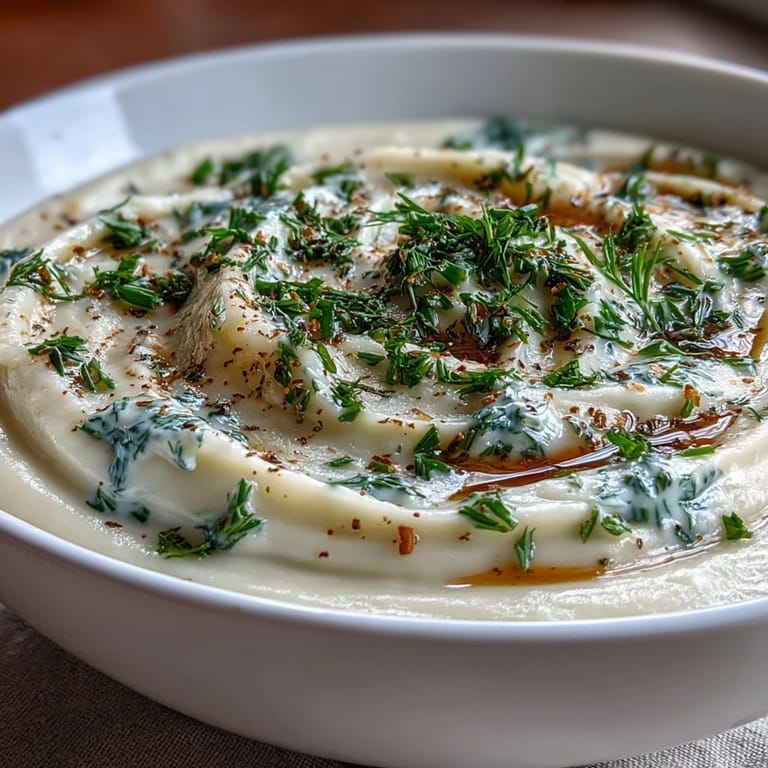
- Fresh herbs: Parsley and chives are essential, but tarragon and dill add unexpected brightness if you're feeling adventurous with your garnish.
Tired of Takeout? 🥡
Get 10 meals you can make faster than delivery arrives. Seriously.
One email. No spam. Unsubscribe anytime.
Instructions
- Get your oven ready and prep the parsnips:
- Preheat to 200°C (400°F) while you peel and chop your parsnips into 2 cm chunks—uniform sizing helps them roast evenly. Toss them with 1 tablespoon of olive oil and a pinch of salt, then spread them on a baking tray in a single layer where they can caramelize rather than steam.
- Roast until golden and tender:
- This takes 25–30 minutes, and you'll know they're ready when the edges start to brown and a fork slides through easily. Stir them halfway through so they cook evenly—this step is where the magic happens, transforming bland root into something with deep, sweet notes.
- Meanwhile, build your flavor base:
- Heat the remaining olive oil in a large saucepan over medium heat, then add your diced onion, minced garlic, sliced celery, and diced potato. Sauté for 5–7 minutes, stirring occasionally, until everything softens and becomes fragrant but hasn't taken on any color—you're coaxing out the vegetables' natural sweetness here.
- Bring everything together:
- Add your roasted parsnips to the pan, pour in the vegetable stock, and bring to a boil. Reduce the heat and let it simmer gently for 10–15 minutes until all the vegetables are completely tender and willing to blend.
- Blend until silky smooth:
- Remove from heat and use a stick blender right in the pot, or work in batches with a countertop blender until you reach that creamy, velvety texture that's the whole point of this soup. Take your time with this step—the longer you blend, the silkier it becomes.
- Finish with cream and seasonings:
- Stir in the cream or crème fraîche if you're using it, then taste and adjust with sea salt and black pepper. The soup should taste rich but not heavy, with the parsnip flavor singing through clearly.
- Serve with a generous herb finish:
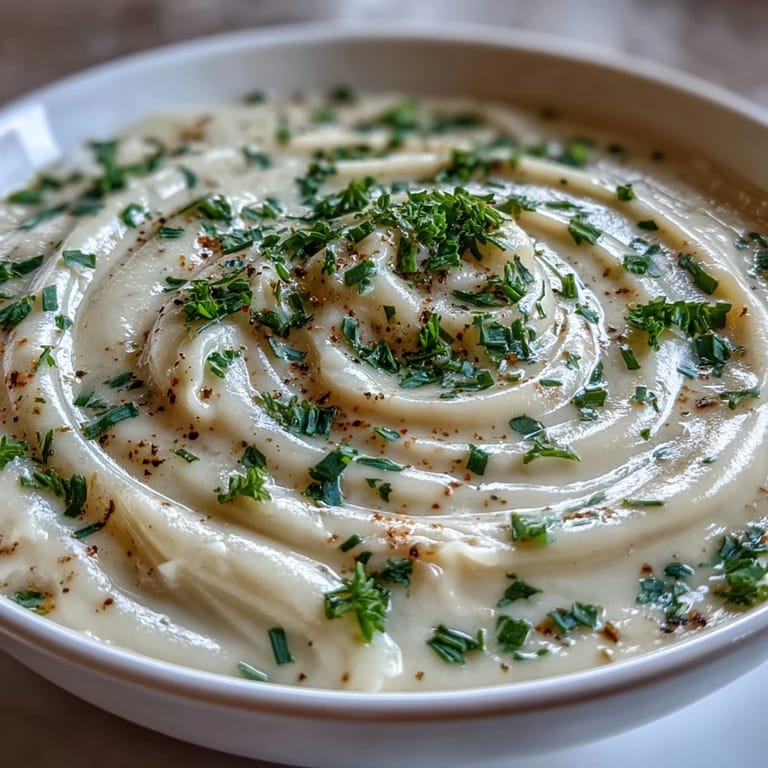
- Reheat gently if needed, ladle into bowls, and top each one with a bright handful of chopped fresh herbs—the contrast of the warm, creamy soup with the fresh, cool herbs is where everything clicks into place.
 Pin This
 I learned the hard way that leftovers of this soup taste even better the next day, once the flavors have had time to settle and mingle overnight. Now I deliberately make extra, knowing that a quiet lunch tomorrow will be all the richer for my effort today.
The Art of Roasting Vegetables
There's a lesson in roasting that applies far beyond this soup: patience transforms vegetables. The dry heat of the oven concentrates sugars and deepens flavors in ways that boiling or steaming simply can't achieve. When you roast parsnips, you're not just cooking them—you're coaxing out their best self. This same principle works for carrots, beets, and Brussels sprouts, so once you understand it with this soup, you'll recognize it everywhere in your kitchen.
Making It Your Own
The skeleton of this recipe is sturdy enough to handle your creative impulses. I've made it with a whisper of curry powder, a squeeze of orange juice for brightness, and once even with a handful of crispy sage leaves on top instead of the traditional herbs. Each version felt different but recognizably itself, which is the mark of a good recipe—it holds its identity while remaining open to interpretation.
From Everyday to Special Occasions
This soup has lived several lives in my kitchen: weeknight comfort when I'm exhausted, an elegant first course when friends are coming over, and even a thoughtful gift in a vacuum-sealed container for people who appreciate homemade food. It bridges the gap between casual and special without requiring any additional effort on your part. The beauty is in its simplicity and willingness to be whatever you need it to be.
- A squeeze of fresh lemon juice added just before serving lifts the entire soup and brings all the flavors into sharper focus.
- Toasted pumpkin seeds or crusty bread scattered on top add textural contrast that makes each spoonful more interesting.
- This soup freezes beautifully for up to three months, so make a double batch and give yourself permission to rest later.
 Pin This
 This parsnip soup taught me that sometimes the most satisfying dishes are the ones that ask the least of you while giving the most in return. Make it once and it becomes yours to keep.
Recipe FAQ
- → Can I make this soup dairy-free?
Absolutely. Substitute the double cream with coconut cream, cashew cream, or your preferred plant-based alternative. The soup remains velvety and satisfying without any dairy.
- → Why roast the parsnips first?
Roasting parsnips at high heat caramelizes their natural sugars, adding depth and sweetness that boiling alone cannot achieve. This extra step transforms the soup from good to exceptional.
- → How long will this soup keep?
Store cooled soup in airtight containers for up to 4 days in the refrigerator. The flavors actually develop and improve over time. Freeze for up to 3 months, though the texture is best enjoyed fresh.
- → Can I use dried herbs instead of fresh?
Fresh herbs provide the brightest finish, but you can use dried herbs during cooking. Add 1 teaspoon each of dried parsley and dill while simmering. Reserve a sprinkle of fresh chives or parsley for serving if possible.
- → What serves well alongside this soup?
Crusty bread, warm baguette slices, or homemade croutons soak up the velvety broth beautifully. A side salad with citrus vinaigrette balances the richness. For extra texture, top with toasted pumpkin seeds or chopped walnuts.
- → Is the potato necessary?
The potato acts as a natural thickener, contributing to the silky texture without heavy cream. You can omit it, but the soup will be slightly thinner. Adding an extra parsnip compensates for volume.