 Pin This
 My grandmother's kitchen smelled like toasted spices the day she taught me to make kibbeh. I was eight, standing on a stool to reach the counter, watching her hands move through the bulgur and meat with such confident speed. She didn't measure anything, just felt when the dough was right, humming an old song while shaping each torpedo with practiced fingers. That afternoon, I learned that kibbeh isn't just food—it's muscle memory passed down, a way of saying I love you without words.
I made kibbeh for my roommate's dinner party, terrified I'd mess it up in front of people who actually grew up eating it. But something clicked that night—the oil hit the perfect temperature, the kibbeh puffed up golden, and the room went quiet except for the sound of people biting into them. Someone asked for the recipe, and I realized I'd just shared something that felt like a small piece of home, even though it wasn't originally mine.
Ingredients
- Fine bulgur wheat: Rinse it thoroughly until the water runs clear—this removes the starch and helps the dough bind better without becoming gluey.
- Lean ground beef or lamb: Lamb tastes more authentic, but beef works beautifully too; keep it cold so the dough stays firm and easier to shape.
- Allspice and cinnamon: These warm spices are the soul of kibbeh; don't skip them or use them timidly, they should whisper through every bite.
- Pine nuts: Toast them yourself if possible—they transform from bland to buttery and rich, completely worth the extra step.
- Onion: Chop it fine so it distributes evenly and cooks through quickly; this makes the dough smooth instead of chunky.
- Salt and black pepper: Season generously in both the dough and filling; the spices are bold, so your seasoning needs to match.
Tired of Takeout? 🥡
Get 10 meals you can make faster than delivery arrives. Seriously.
One email. No spam. Unsubscribe anytime.
Instructions
- Prepare the bulgur:
- Rinse the bulgur several times under cold water, then let it sit for about 10 minutes until it's soft but not mushy. Squeeze out excess water gently with your hands; this matters more than you'd think.
- Build the dough:
- Combine the bulgur with ground meat, finely chopped onion, salt, allspice, cinnamon, and pepper in a bowl. Knead everything together using your hands, adding cold water just a teaspoon at a time until the mixture feels smooth and holds together like clay. The texture should feel cool and cohesive, never sticky.
- Toast the pine nuts:
- Heat olive oil in a skillet over medium heat and add the pine nuts first, letting them turn golden before adding the onion. They'll smell incredible when they're ready, just a few minutes.
- Cook the filling:
- Once the onions soften, add the ground meat and break it up as it browns, then season with allspice, cinnamon, salt, and pepper. Let the pine nuts finish toasting until they're nutty and fragrant, about 3 to 4 minutes total, then set aside to cool.
- Shape the kibbeh:
- Wet your hands with cold water to prevent sticking, then pinch off a piece of dough about the size of a golf ball. Flatten it in your palm into a thin shell, spoon a teaspoon or two of filling into the center, then seal the edges by pinching and shaping into an oval or torpedo. Your fingers will learn the motion quickly.
- Fry until golden:
- Heat vegetable oil to 180°C (350°F)—if you don't have a thermometer, the oil is ready when a small piece of dough sizzles immediately and turns golden in about 2 minutes. Fry kibbeh in batches so they're not crowded, about 4 to 5 minutes per batch, then drain on paper towels.
- Or bake for a lighter version:
- Preheat the oven to 200°C (390°F), place kibbeh on a parchment-lined baking sheet, brush lightly with olive oil, and bake for 25 to 30 minutes, turning halfway through until they're crisp and golden brown.
 Pin This
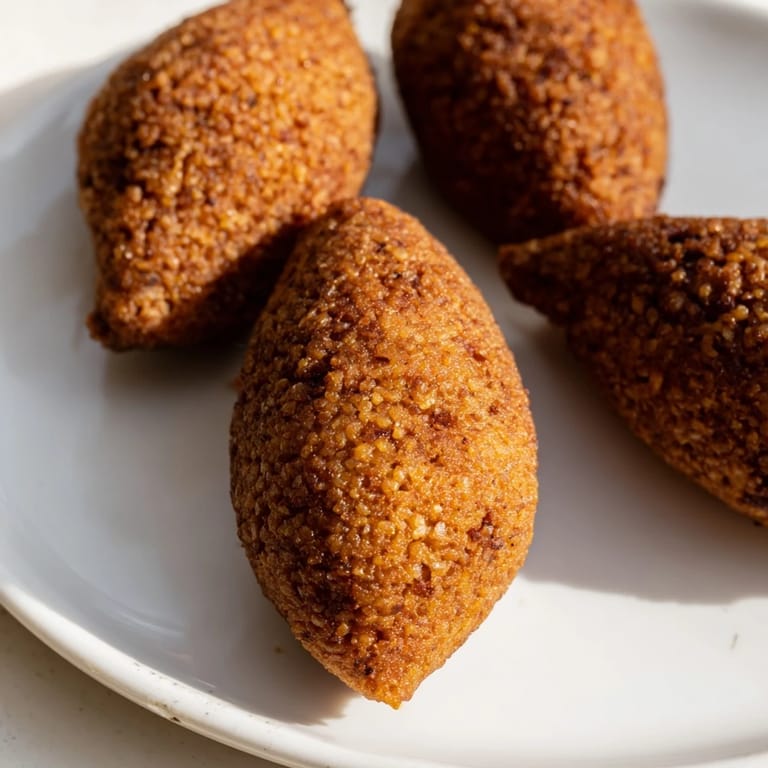
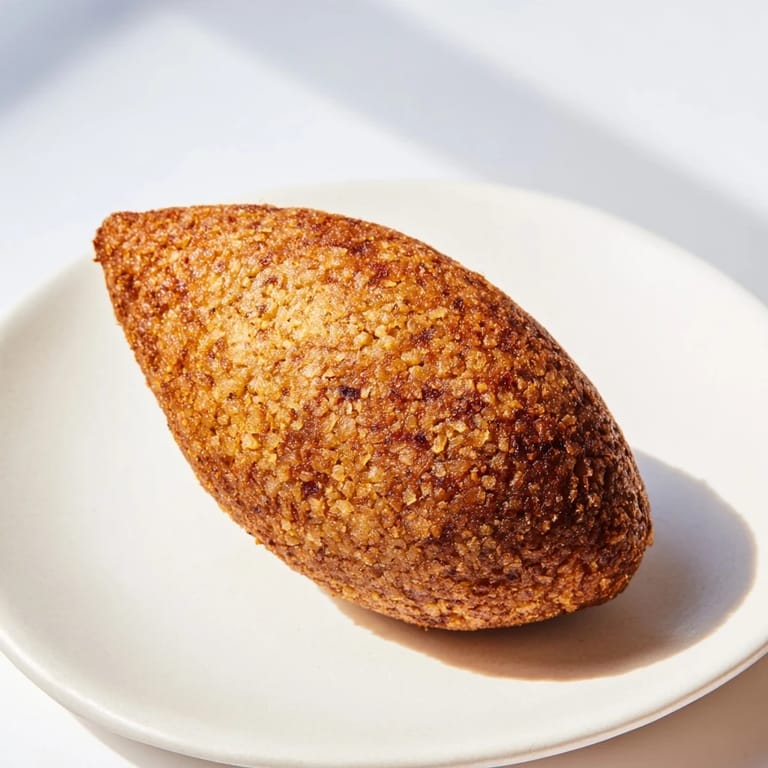
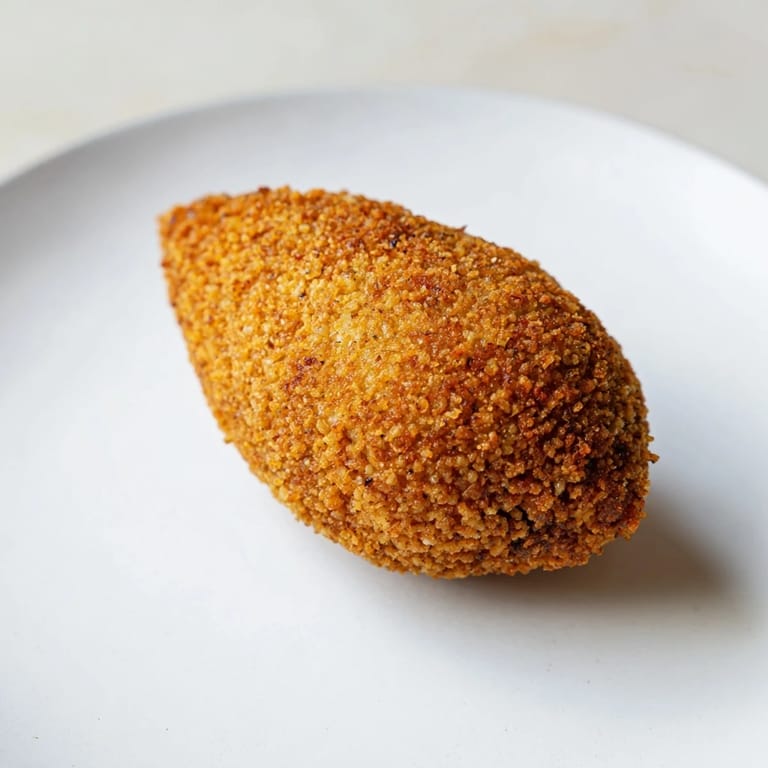
 There's a moment when you pull the first batch of kibbeh from the oil and it's perfectly bronzed, crackling slightly as it drains—that's when you know you've done it right. That moment makes all the kneading and shaping worth it, and suddenly these little torpedoes feel like edible proof that you can make something beautiful.
The Art of the Perfect Shape
Shaping kibbeh is less about precision and more about confidence; your hands need to know what they're doing even if your brain is skeptical. The first few times, they'll be lumpy or uneven, and that's fine—they still taste incredible. What matters is keeping the dough cold, keeping your hands wet, and moving quickly so the filling doesn't warm the shell. Once you've made a few dozen, your hands will remember the motion without you thinking about it, and that's when it gets fun.
Serving and Storing
Kibbeh arrives at the table warm and crispy, best served immediately with yogurt, tahini sauce, or a squeeze of lemon. They cool quickly, so don't wait—bite into them while they're still warm enough that the filling is slightly steamy inside. If you have leftovers, they reheat beautifully in a hot oven for about 5 minutes, though honestly, they rarely stick around that long.
Making Ahead and Variations
The beauty of kibbeh is that you can shape them, freeze them uncooked for up to three months, and fry or bake them straight from the freezer without thawing. Just add a minute or two to the cooking time. For a vegetarian version, replace the filling with cooked lentils, sautéed mushrooms, and toasted pine nuts—the spices carry the dish beautifully even without meat.
- Freeze kibbeh on a baking sheet before transferring to bags so they don't stick together.
- A vegetarian filling with roasted chickpeas works wonderfully if you don't have lentils on hand.
- Serve with a simple salad of tomatoes, cucumbers, and fresh herbs to balance the richness.
 Pin This
 Kibbeh is comfort wrapped in crispy shell, and once you master it, you'll find yourself making it for every gathering, every celebration, every time someone needs to taste home. It's the kind of dish that brings people together without needing to say much at all.
Recipe FAQ
- → What type of grain is used in kibbeh dough?
Fine bulgur wheat is soaked to soften and mixed with meat and spices to form the dough for kibbeh croquettes.
- → Can kibbeh be baked instead of fried?
Yes, kibbeh can be brushed with olive oil and baked until golden for a less oily alternative.
- → What spices are essential for kibbeh filling?
Allspice, cinnamon, black pepper, and salt are key spices that create the warm, aromatic flavor in the filling.
- → Are pine nuts necessary for kibbeh filling?
Pine nuts add a crunchy texture and nutty flavor, enhancing the richness of the meat filling, but can be omitted if needed.
- → How do you shape kibbeh croquettes properly?
Using wet hands, form the dough into a thin oval shell, place filling inside, then pinch edges together to seal into an elongated shape.