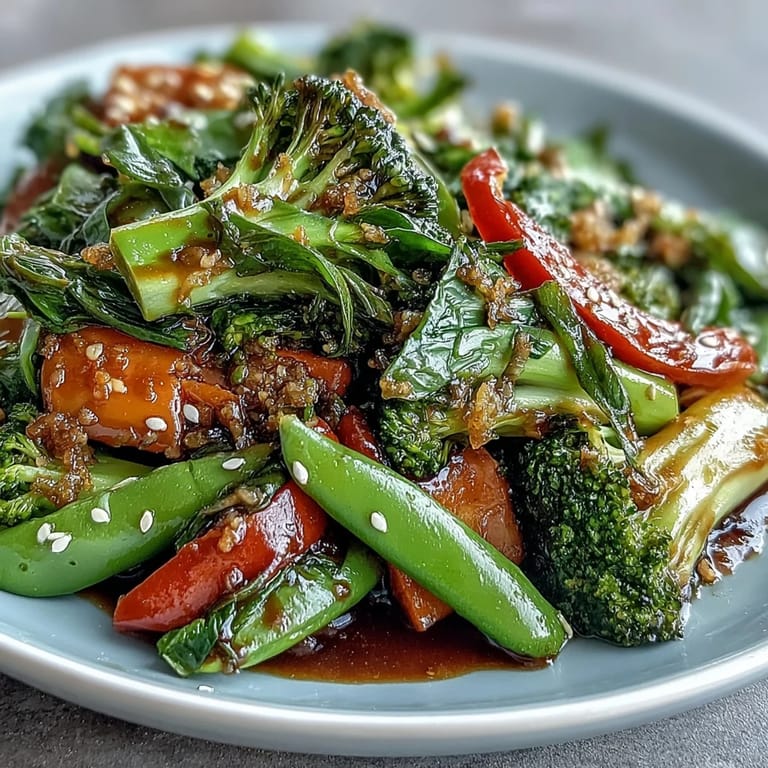
 Pin This
 There's something about the sound of vegetables hitting a hot wok that signals the start of something good. One weeknight, while my partner was chopping vegetables on the counter, they asked if I could make something quick but not boring—something that felt restaurant-quality even though we had maybe twenty minutes. That's when I realized ginger stir-fry isn't just efficient; it's genuinely exciting, especially when you nail that crispy-tender texture and the aromatics fill your kitchen like a spell.
I made this for my sister who'd just moved into her first apartment with barely a kitchen to speak of, just a hot plate and a dented wok she'd found at a thrift store. We stood in her tiny galley space, laughing as steam clouded her glasses, and she kept saying this was the first meal that made her new place feel like home. Now whenever she visits, she requests it, and I think she's actually gotten better at the technique than I am.
Ingredients
- Broccoli florets: These little trees stay crispier if you add them before the softer vegetables—bite into one and you'll understand why texture matters.
- Sliced carrots: Cut them thin so they cook evenly and pick up the sauce flavor without turning mushy.
- Red bell pepper: Sliced thin, it adds sweetness and that gorgeous color that makes the whole dish feel vibrant.
- Snap peas: Trim the ends and add them later in cooking so they stay snappy instead of becoming sad and limp.
- Yellow onion: Thin slicing is your friend here—it lets them soften and caramelize without overwhelming everything else.
- Sliced mushrooms: They soak up the sauce like little flavor sponges and add an earthy depth.
- Fresh ginger: Grate it finely and use it right away; that's when it's most potent and aromatic, trust me on this one.
- Garlic: Mince it small so it disperses evenly and cooks in those first crucial seconds without burning.
- Soy sauce: Use tamari if gluten matters to you, and don't skip this—it's the backbone of the whole flavor story.
- Sesame oil: Just a tablespoon is enough; this stuff is concentrated liquid gold, not a cooking oil.
- Vegetable oil: This is your workhorse for high heat; save the sesame oil for flavor, not frying.
- Rice vinegar: It cuts through richness with a gentle brightness that soy sauce alone can't achieve.
- Maple syrup or honey: A touch of sweetness balances the savory elements and helps the sauce coat the vegetables.
- Red pepper flakes: Optional, but they add complexity if you like a subtle heat that builds as you eat.
- Green onions: Slice them fresh and scatter them last so they stay bright and crunchy.
- Toasted sesame seeds: These are the final punctuation mark—nutty, crunchy, and they make everything taste intentional.
Tired of Takeout? 🥡
Get 10 meals you can make faster than delivery arrives. Seriously.
One email. No spam. Unsubscribe anytime.
Instructions
- Mix your sauce foundation:
- Whisk together soy sauce, rice vinegar, maple syrup, and red pepper flakes in a small bowl—this becomes your flavor anchor that pulls everything together at the end.
- Heat your wok properly:
- Get your oil mixture hot enough that it shimmers and moves like liquid mercury across the surface, about medium-high heat. This is where the magic begins, so don't rush it.
- Wake up the aromatics:
- Toss in ginger and garlic and let them sizzle for thirty seconds, filling your kitchen with that incredible fragrance that makes you hungry before anything's even cooked.
- Start with the slower vegetables:
- Onion, carrots, and broccoli go in first because they need a head start to become tender-crisp instead of staying crunchy or getting mushy.
- Add the rest of the vegetables:
- After two or three minutes, add bell pepper, snap peas, and mushrooms—these cook faster and benefit from going in second so everything finishes at the same time.
- Bring it all together:
- Pour in your sauce and toss everything until it's evenly coated, then give it another minute or two to marry all those flavors together.
- Finish with the fresh elements:
- Remove from heat, scatter green onions and sesame seeds over the top, and serve immediately while everything's still hot and the colors are vivid.
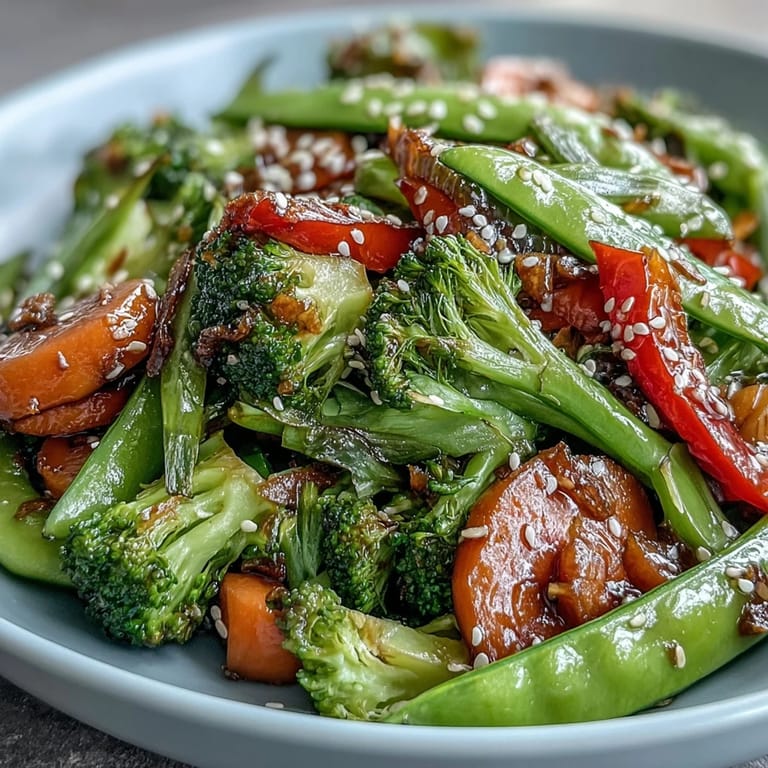 Pin This
 What started as a quick weeknight solution has become my go-to when I want to feel like I've actually cooked something impressive without spending hours in the kitchen. There's dignity in a well-executed stir-fry, something that reminds me why simple food, done thoughtfully, is always worth it.
The Secret of High Heat Stir-Frying
Most home cooks don't turn their heat up high enough, and it's the culprit behind soggy, steamed vegetables masquerading as stir-fry. When you get that oil genuinely hot and work quickly, each piece of vegetable gets kissed by the heat instead of boiled in its own juices—that's the difference between restaurant quality and something that tastes like it came from the microwave. Your stovetop might not have the same BTU power as a wok station in a restaurant kitchen, but respecting the heat is how you close that gap.
Why Fresh Ginger Matters Here
Ground ginger is convenient, but fresh ginger is honestly a different ingredient—it's bright and slightly spicy in a way that makes you sit up and notice it. The first time I tried substituting powdered ginger because I was lazy, the whole dish tasted flat and one-dimensional, like something was missing but I couldn't name it. Now I keep fresh ginger on my counter at all times because I've learned it's not an extra step, it's the actual difference between this being memorable and forgettable.
Flexibility and Customization
This recipe is honestly just a framework for whatever vegetables are making you excited at the farmers market or hiding in your crisper drawer. I've made it with baby bok choy and water chestnuts, with zucchini and eggplant, with whatever needed to get used before it went bad. The sauce stays the same, the technique stays the same, and somehow it always tastes good because the ginger and garlic are forgiving enough to make almost anything work.
- Add tofu or tempeh for protein if you want to make this a complete meal without relying on rice or noodles.
- Experiment with different vegetables based on the season—spring peas, summer zucchini, fall squash, whatever speaks to you.
- You can prep all your vegetables ahead of time, but don't mix them together or they'll start releasing moisture before you're ready to cook.
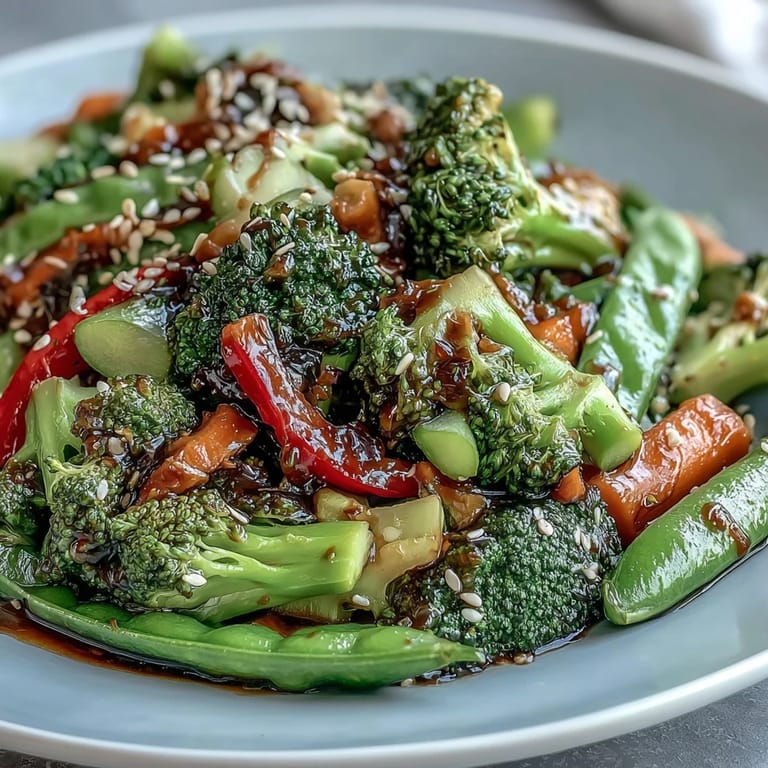 Pin This
 This is the kind of recipe that gets better the more you make it, not because the instructions change but because you develop instincts about heat and timing that no recipe can fully teach you. Make it tonight, and I promise you'll find yourself making it again next week.
Recipe FAQ
- → Can I use different vegetables?
Absolutely. This versatile dish works with any crisp vegetables you have on hand—try zucchini, baby corn, water chestnuts, bok choy, or snow peas. Just adjust cooking times so everything reaches crisp-tender perfection.
- → How do I prevent vegetables from becoming mushy?
Keep your heat medium-high and work in batches if needed. Don't overcrowd the pan, and stir-fry just until vegetables are crisp-tender. The high, quick cooking preserves texture and bright color.
- → Can I make this gluten-free?
Simply replace regular soy sauce with tamari or coconut aminos. Both provide the same savory depth while keeping this dish completely gluten-free and safe for those with sensitivities.
- → What protein additions work well?
Crispy tofu cubes, tempeh strips, or edamame blend beautifully. Add your protein during the last few minutes of cooking so it heats through without becoming tough or overcooked.
- → How should I store leftovers?
Keep in an airtight container for up to 3 days. Reheat gently in a skillet over medium heat, adding a splash of water if needed. The vegetables will soften slightly but remain delicious.