 Pin This
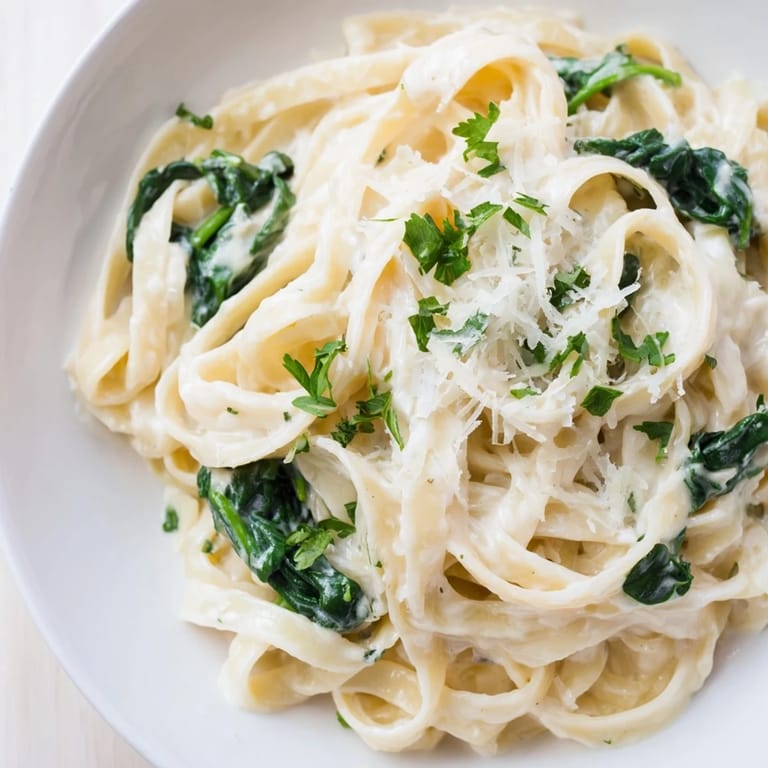
 There's something about the first time you nail a creamy Alfredo that feels like a small culinary victory. Mine came on a random Tuesday when my roommate showed up unexpectedly at dinner time, and I had maybe twenty minutes to pull together something impressive. The kitchen filled with the smell of garlic melting into butter, and suddenly I understood why this simple Italian-American dish has become a staple in so many homes. That night taught me that the best comfort food doesn't need a long ingredient list—just technique, attention, and cream cheese as a secret weapon.
Years later, I made this for my sister who'd just moved into her first apartment with barely any kitchen equipment. She stood at the stove mesmerized by how the sauce transformed from separate ingredients into something luxurious and unified. Watching her plate it up and twirl that first forkful felt like I'd handed her a small piece of confidence—proof that restaurant-quality food doesn't require restaurant-level stress.
Ingredients
- Fettuccine (400 g): The wide ribbons catch and hold onto the sauce in a way thinner pasta can't—don't swap it for spaghetti unless you enjoy chasing your dinner around the bowl.
- Unsalted butter (60 g): Salted butter will throw off your seasoning control, and this sauce is all about precision.
- Garlic (3 cloves, minced): Fresh minced works far better than pre-jarred; the difference is the smell and the flavor clarity.
- Heavy cream (250 ml): Don't use half-and-half or light cream—you need the fat content for that velvety finish.
- Parmesan cheese (120 g, grated): Always grate your own from a block; pre-grated contains anti-caking agents that cloud your sauce.
- Cream cheese (60 g, cubed): This is the secret that makes your sauce stable and silky without separating or breaking.
- Black pepper and nutmeg: The pepper is non-negotiable; the nutmeg is whisper-quiet but transforms the whole thing—don't skip it.
- Fresh baby spinach (150 g): Wash and dry it thoroughly or it'll water down your sauce at the last moment.
Tired of Takeout? 🥡
Get 10 meals you can make faster than delivery arrives. Seriously.
One email. No spam. Unsubscribe anytime.
Instructions
- Salt the water and cook the pasta:
- Fill a large pot with water, salt it like the sea, and get it rolling at a full boil before the fettuccine goes in. Listen for that gentle clatter when the pasta hits the water, and set your timer for two minutes before the package says it's done—you want it to bend under your fork but still have backbone.
- Start the sauce base:
- While the pasta cooks, melt your butter over medium heat until it stops foaming and smells like toasted hazelnuts. Add the garlic and give it maybe 60 seconds—you're looking for golden edges, not brown, which tastes bitter and ruins everything.
- Build the cream mixture:
- Drop the heat to low (this is crucial, or the cream will separate), then pour in the heavy cream and add those cubes of cream cheese. Whisk constantly, watching them soften and incorporate into something smooth and homogeneous.
- Add the cheese:
- Sprinkle the grated Parmesan over the cream mixture in handfuls, whisking between each addition so it melts evenly instead of clumping. Add the pepper and a whisper of nutmeg, taste, and adjust the salt.
- Wilt the spinach:
- Dump the baby spinach into the sauce and stir for 2 to 3 minutes until it's completely soft and darkened. The leaves will seem like they're taking up too much space at first, then suddenly they'll just disappear into the sauce.
- Bring it all together:
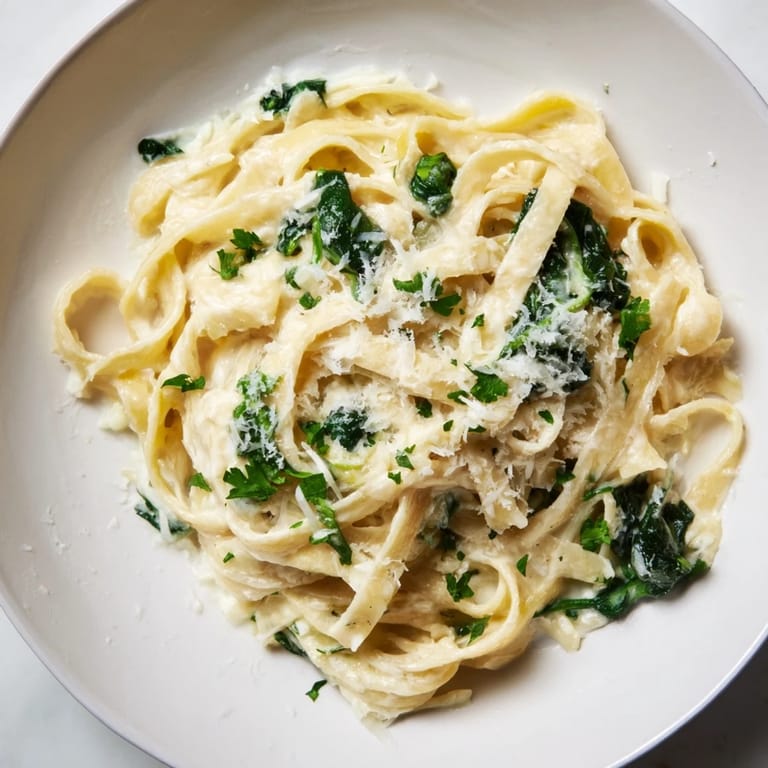
- Add the drained pasta to the skillet and toss constantly, adding splashes of that reserved pasta water as you go—it should coat every strand in a thin, glossy layer that clings without pooling at the bottom. Taste once more and adjust if needed.
 Pin This
 The first time someone asked for my recipe, I realized this dish had become more than dinner—it was proof that technique matters more than time. Seeing someone else's face light up when they tasted that first bite, when all the pieces clicked together into something greater than the sum of its parts, that's when I knew it was worth getting right.
Why This Sauce Stays Silky
The trick most people miss is understanding that cream, cheese, and heat are constantly at war with each other. Parmesan wants to clump, butter and cream want to separate, and too much heat will scurry everything. The cream cheese acts as an emulsifier—a peacemaker that keeps the mixture unified and forgiving. Once you see it happen once, you'll understand why this method works better than the purely traditional approach of just butter, cream, and Parmesan.
Spinach as a Hidden Strength
Adding spinach at the end means it doesn't spend 20 minutes turning dark and bitter in the pan. Those final 2 to 3 minutes soften it just enough to release into the sauce while keeping its color and nutrition intact. It also quietly thickens the mixture, so you'll need less pasta water to reach the perfect consistency.
Scaling and Variations
This recipe holds its proportions beautifully whether you're cooking for two or eight—just multiply everything by the same factor and give yourself an extra minute or two for the sauce to come together. If you want to add protein, sautéed mushrooms add earthiness, grilled chicken adds substance, or even crispy prosciutto adds a salty snap that plays against the cream.
- Toast your finished pasta with a drizzle of olive oil and fleur de sel on the side, so people can add crunch and salt to their own preference.
- Fresh lemon zest and a squeeze of juice right before serving brightens the heaviness and makes people taste individual components instead of just richness.
- If you make this ahead, loosen it gently with pasta water and a low oven temperature—never try to reheat it at full heat or it'll split and separate.
 Pin This
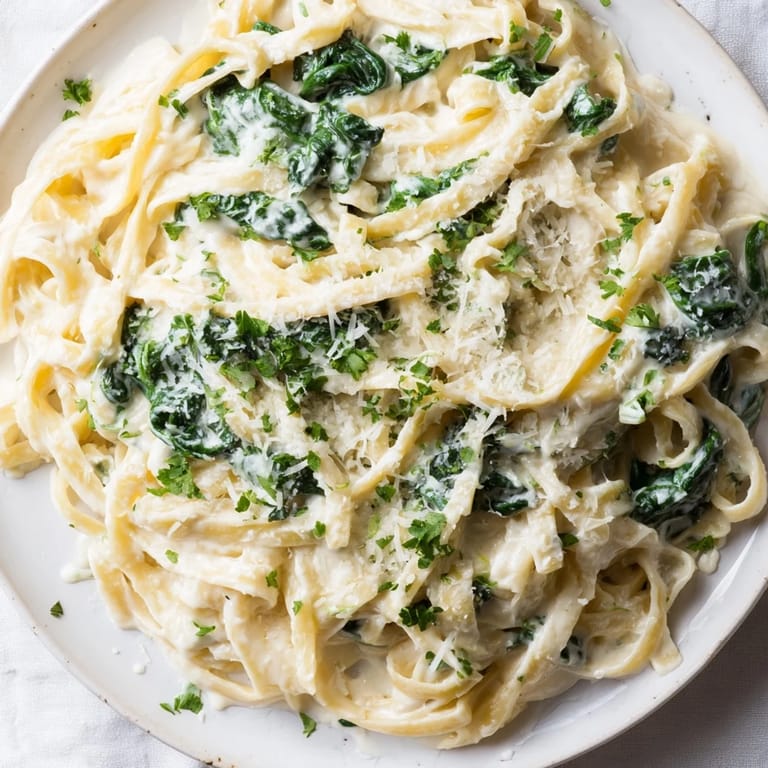
 This is a dish that rewards attention more than effort, which makes it perfect for weeknight elegance or impressing someone in your life who showed up unannounced. Once you know how this sauce behaves, you'll find yourself making it again and again.
Recipe FAQ
- → How do I achieve a creamy sauce without lumps?
Slowly melt the cream cheese into warm butter and cream while whisking continuously to ensure a smooth, velvety texture.
- → Can I use other greens instead of spinach?
Yes, tender greens like kale or Swiss chard work well; just add them toward the end to wilt gently without losing color.
- → What’s the best way to keep pasta sauce from becoming too thick?
Reserve some pasta cooking water and gradually add it to the sauce while tossing pasta, which helps loosen and evenly coat the noodles.
- → How to enhance the garlic flavor without overpowering?
Sauté garlic on medium heat just until fragrant and lightly translucent, avoiding browning for a mellow aroma.
- → Can I prepare this dish ahead of time?
Prepare the sauce and cook pasta separately, then combine gently before serving to retain sauce creaminess.