 Pin This
 I used to think curry had to be complicated, something reserved for takeout nights or special occasions. Then one rainy Tuesday, I opened my fridge to find a pile of vegetables on the edge of wilting and a can of coconut milk I'd forgotten about. What started as a rescue mission turned into one of my most-requested dinners. The smell of ginger and garlic hitting hot coconut oil still makes me smile every time.
The first time I made this for friends, I was nervous about the spice level. One friend went back for thirds and declared it her new comfort food. Another admitted she'd never liked zucchini until that night. Watching people scrape their bowls clean and reach for more rice felt like a quiet victory. It reminded me that good food doesn't need to be fussy to bring people together.
Ingredients
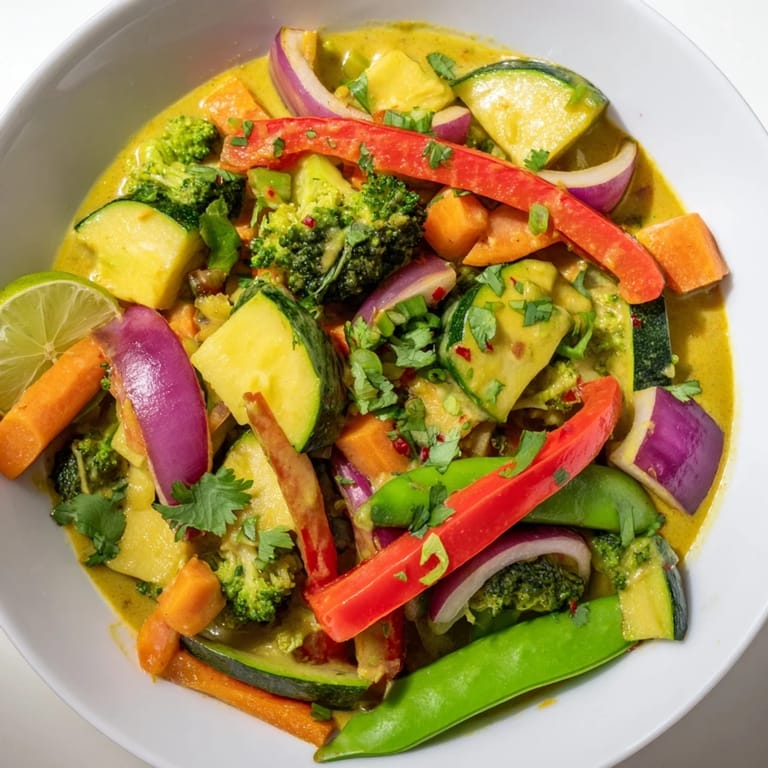
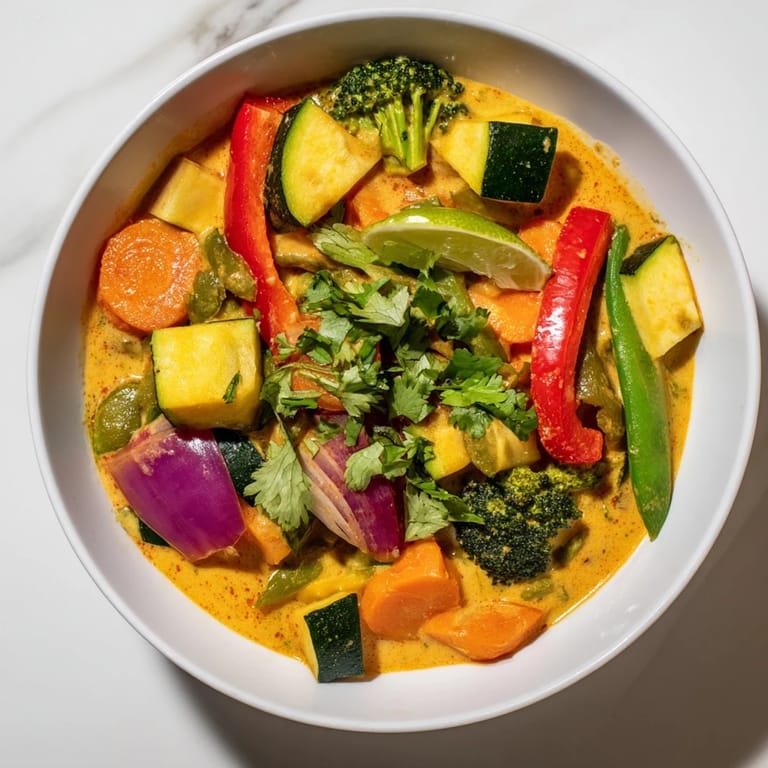
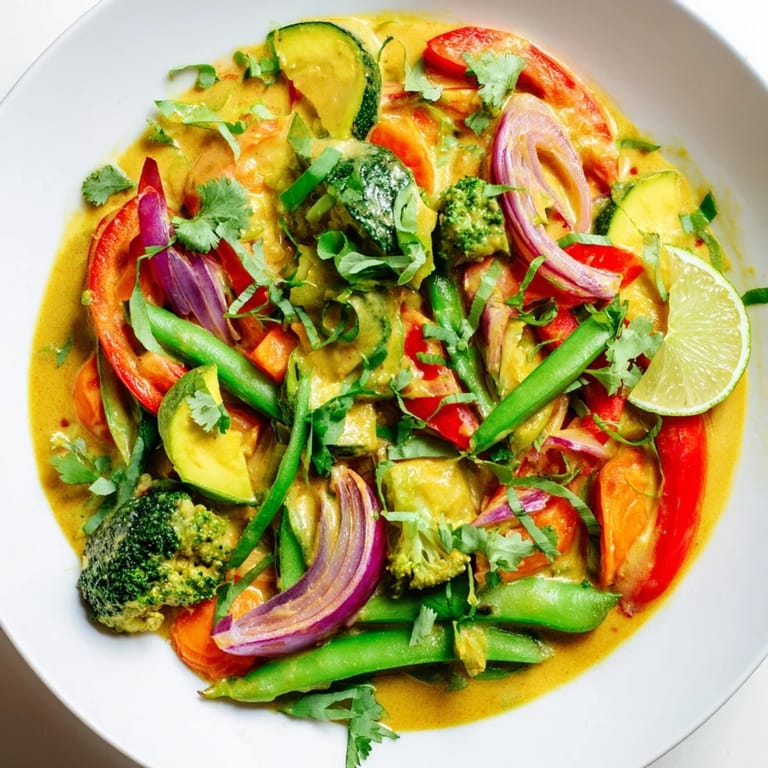
- Red bell pepper: Adds sweetness and a pop of color that brightens the whole dish, slice it evenly so it cooks at the same rate as the other vegetables.
- Carrot: Brings a subtle earthiness and holds its shape beautifully in the curry, I slice mine on the bias for a nicer presentation.
- Zucchini: Soaks up the curry sauce like a sponge and adds a tender, melt-in-your-mouth texture.
- Broccoli florets: They stay bright green and slightly crisp if you don't overcook them, adding a satisfying bite.
- Snap peas: These go in toward the end to keep their snap and sweetness intact.
- Red onion: Softens into the base of the curry and adds a gentle, aromatic sweetness.
- Coconut oil: The right fat for this dish, it carries the spices and adds a whisper of tropical richness.
- Garlic: Minced fresh, it blooms in the oil and fills your kitchen with warmth.
- Fresh ginger: Grated ginger brings a bright, almost floral heat that balances the creaminess of the coconut milk.
- Red curry paste: This is where the magic lives, packed with lemongrass, chili, and depth, check the label if you need it vegan or gluten-free.
- Turmeric, cumin, coriander: These three spices layer in warmth and complexity, turning simple vegetables into something special.
- Coconut milk: Full-fat is essential here, it creates a silky, luxurious sauce that clings to every vegetable.
- Vegetable broth: Loosens the sauce just enough to let it simmer and meld without becoming too thick.
- Soy sauce or tamari: A splash of umami that deepens the flavor and ties everything together.
- Fresh lime juice: Brightens the whole dish at the end, cutting through the richness with a citrusy lift.
- Fresh cilantro and lime wedges: The final touch that makes it feel fresh, vibrant, and complete.
Tired of Takeout? 🥡
Get 10 meals you can make faster than delivery arrives. Seriously.
One email. No spam. Unsubscribe anytime.
Instructions
- Start with the aromatics:
- Heat the coconut oil over medium heat until it shimmers, then add the red onion and let it soften for a few minutes, stirring occasionally. The kitchen will start to smell sweet and inviting.
- Build the flavor base:
- Stir in the garlic and ginger, letting them sizzle for about a minute until your eyes almost water from the fragrance. Add the curry paste and ground spices, stirring constantly so they toast and release their oils without burning.
- Add the heartier vegetables:
- Toss in the bell pepper, carrot, zucchini, and broccoli, stirring them around so they get coated in all those beautiful spices. Let them cook for a few minutes, just enough to start softening.
- Simmer in the sauce:
- Pour in the coconut milk and vegetable broth, then bring everything to a gentle bubble. Lower the heat, add the snap peas and soy sauce, cover the pan, and let it simmer until the vegetables are tender but still have a little bite.
- Finish with brightness:
- Pull the pan off the heat and stir in the lime juice, then taste and adjust the salt and pepper. Serve it hot with a generous handful of cilantro and lime wedges on the side.
 Pin This
 One winter evening, I made a double batch and brought half to a neighbor who'd just had surgery. She texted me the next day saying it was the first thing that had tasted like real food in weeks. That's when I realized this dish isn't just dinner, it's the kind of meal that wraps around you like a warm blanket. It's nourishing in a way that goes beyond the ingredients.
How to Customize Your Vegetables
This curry is forgiving and flexible, so use what you have or what looks good at the market. Cauliflower, green beans, mushrooms, or even sweet potato all work beautifully here. Just keep in mind that denser vegetables like sweet potato or cauliflower may need a few extra minutes of simmering. I've also stirred in a can of drained chickpeas or cubed tofu during the last few minutes for extra protein, and it turned the dish into something even heartier.
Serving Suggestions
I almost always serve this over jasmine rice because the grains soak up the sauce so perfectly, but quinoa, brown rice, or even rice noodles work just as well. Sometimes I'll warm up a piece of naan on the side for scooping, especially if I'm feeling indulgent. A simple cucumber salad with rice vinegar and sesame seeds on the side adds a cool, crunchy contrast that balances the richness of the curry.
Storage and Reheating
Leftovers keep beautifully in an airtight container in the fridge for up to four days, and honestly, they taste even better the next day once the flavors have had time to deepen. Reheat gently on the stovetop with a splash of broth or water to loosen the sauce, stirring occasionally. I've also frozen individual portions in freezer-safe containers for up to two months, then thawed them overnight in the fridge before reheating.
- Stir in a handful of fresh spinach or kale when reheating for an extra boost of greens.
- If the sauce thickens too much in the fridge, thin it with a little coconut milk or broth.
- Garnish with fresh cilantro and lime again after reheating to bring back that bright, just-cooked flavor.
 Pin This
 This curry has become my go-to when I want something warm, nourishing, and just a little bit special without spending all evening in the kitchen. I hope it brings you as much comfort and joy as it has brought me.
Recipe FAQ
- → What vegetables work best for this dish?
Vegetables like bell pepper, carrot, zucchini, broccoli, snap peas, and red onion provide a colorful, flavorful base. You can also add cauliflower, green beans, or mushrooms.
- → How do I adjust the spiciness level?
Modify the amount of red curry paste to suit your taste—use less for milder heat or more for a spicier kick.
- → Can I add protein to make it more filling?
Adding chickpeas or tofu during the simmering step boosts protein content while maintaining the dish’s rich flavors.
- → What pairs well with this coconut curry vegetables dish?
Steamed jasmine rice, quinoa, or naan bread complement the creamy and spiced coconut sauce beautifully.
- → Are there any common allergens in this dish?
It contains soy from soy sauce or tamari and coconut milk. Use coconut aminos for a soy-free alternative and verify curry paste ingredients for allergens.