 Pin This
 The first time I made butternut squash pasta, my kitchen windows steamed up against the autumn chill outside. I'd picked up the squash on a whim at the farmers market, its heavy weight promising something substantial. Standing in my kitchen, knife poised over its bulbous shape, I had no idea this humble vegetable would transform into something so silky and luxurious when blended with cream and herbs. The aroma of roasting squash and garlic filled every corner of my home, and I knew I'd stumbled onto something special.
Last October, I made this for my sister who claimed she could never enjoy vegetarian meals. As she twirled the pasta around her fork, I watched her expression shift from skepticism to surprise. She paused mid-bite, eyebrows raised, and then continued eating in appreciative silence. By the end of the meal, she was already plotting to make it herself the following weekend. Sometimes the best conversations happen without words, just the quiet recognition of good food.
Ingredients
- Butternut Squash: Look for one with a matte skin free of soft spots, as the firmer ones tend to have the sweetest flesh when roasted.
- Unpeeled Garlic Cloves: Roasting them in their papery skins transforms harsh garlic into mellow, sweet morsels that blend beautifully into the sauce.
- Fresh Sage: The earthy, slightly peppery flavor of sage cuts through the sweetness of the squash, creating perfect balance.
- Heavy Cream: This brings everything together into a silky sauce, but I've used coconut milk with surprising success when cooking for dairy-free friends.
- Parmesan Cheese: The salty, umami quality makes every bite more complex, but nutritional yeast works wonderfully for a vegan alternative.
Tired of Takeout? 🥡
Get 10 meals you can make faster than delivery arrives. Seriously.
One email. No spam. Unsubscribe anytime.
Instructions
- Roast the Squash:
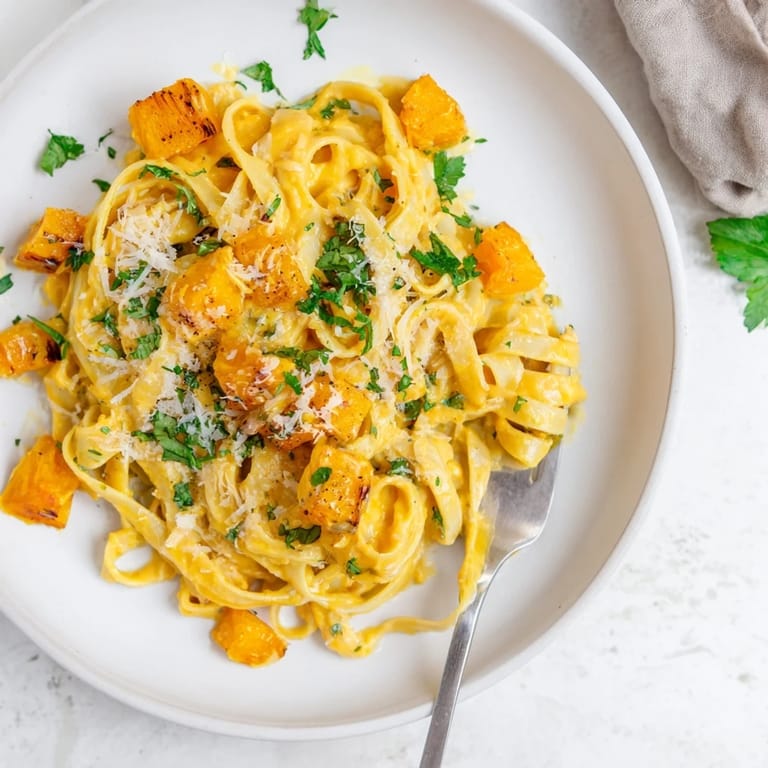
- Spread your cubed butternut squash and garlic cloves on a parchment-lined baking sheet, drizzle with olive oil, and season with salt and pepper. The kitchen will fill with a sweet, nutty aroma as they roast for 25-30 minutes until the edges caramelize.
- Prepare the Pasta:
- Bring a large pot of well-salted water to a rolling boil and cook your pasta according to package instructions. Remember to reserve some of that starchy pasta water before draining, it's liquid gold for adjusting sauce consistency.
- Sauté Aromatics:
- In a large skillet, warm olive oil before adding diced onion and sage. Listen for the gentle sizzle as they cook down until the onions become translucent and your kitchen fills with herbaceous fragrance.
- Blend the Sauce:
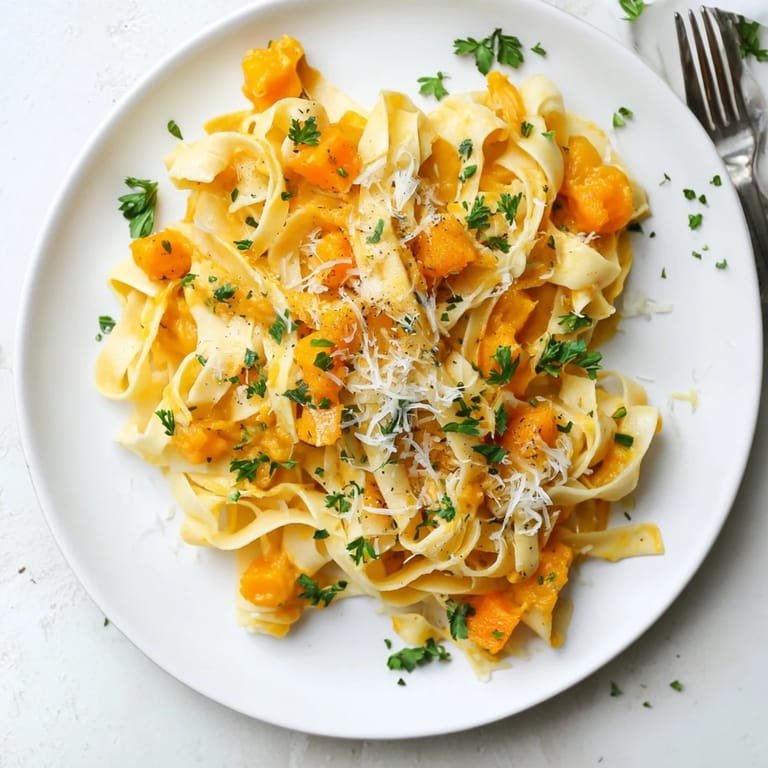
- Squeeze those soft, roasted garlic cloves from their skins and add them to your blender with the roasted squash, sautéed onions and sage, vegetable broth, and cream. Watch as they transform into a velvety, sunset-colored sauce that clings perfectly to pasta.
- Finish and Serve:
- Return the sauce to your skillet, stir in Parmesan and a whisper of nutmeg, then fold in your cooked pasta. The sauce will embrace every strand as you gently toss it all together over low heat until everything is perfectly warmed through.
 Pin This
 One evening when the power went out mid-cooking, I had to finish this dish by candlelight. Working by that flickering light, relying more on touch and smell than sight, I found myself fully present with each step. The finished pasta tasted somehow more meaningful that night, eaten in the soft darkness as we listened to the wind outside. Sometimes the imperfect moments create the most perfect meals.
Seasonal Variations
Summer finds me lightening this dish with a handful of sweet cherry tomatoes roasted alongside the squash, their burst of acidity balancing the creamy sauce. In winter, I often stir in a spoonful of miso paste for extra warmth and depth. Spring calls for tender asparagus tips added in the final minutes of cooking. The recipe bends with the seasons while keeping its soul intact, much like we all adapt while remaining essentially ourselves.
Make It Your Own
When my neighbor gifted me with homegrown rosemary, I swapped it for the sage and discovered a whole new flavor profile that reminded me of holidays. Another time, running low on ingredients, I threw in some leftover roasted sweet potato alongside the squash, and the extra sweetness paired wonderfully with a sprinkle of chili flakes for contrast. These happy accidents reminded me that recipes are living things, meant to evolve with our kitchens and lives.
Serving Suggestions
I once served this pasta alongside a simple arugula salad dressed with lemon and olive oil, and the peppery greens provided the perfect counterpoint to the rich pasta. The brightness cut through the creaminess in a way that had everyone reaching for seconds.
- For a complete meal, add a protein like roasted chicken or white beans stirred into the finished dish.
- A glass of crisp Pinot Grigio or light Chardonnay complements the creamy, nutty flavors beautifully.
- Leftovers can be gently reheated with an extra splash of broth to bring the sauce back to life.
 Pin This
 This butternut squash pasta has taught me that comfort food doesn't need to be complicated to be extraordinary. It reminds me that transformation is possible with heat, time, and care, whether we're talking about squash or ourselves.
Recipe FAQ
- → Can I make this dish vegan?
Yes, simply substitute the heavy cream with full-fat coconut milk and use a vegan Parmesan alternative. The sauce will remain creamy and delicious.
- → What type of pasta works best?
Fettuccine or tagliatelle are ideal as their flat shape holds the creamy sauce well. You can also use penne, rigatoni, or gluten-free pasta alternatives.
- → How do I store leftovers?
Store in an airtight container in the refrigerator for up to 3 days. Reheat gently on the stovetop with a splash of vegetable broth or pasta water to restore creaminess.
- → Can I roast the squash ahead of time?
Absolutely. Roast the butternut squash and garlic up to 2 days in advance. Store in the refrigerator and proceed with making the sauce when ready to serve.
- → Why is my sauce too thick?
The sauce can thicken as it sits. Thin it out by stirring in reserved pasta water or additional vegetable broth until you reach your desired consistency.
- → What can I add for extra protein?
Consider adding grilled chicken, Italian sausage, or chickpeas. For vegetarians, cannellini beans or toasted walnuts add protein and texture.